 Top Blasters
Mayhem Engine
An in-house real-time 3D engine built on three.js and WebGL. It does the rendering, animation, physics, destruction and gore, and loads straight into a browser tab.
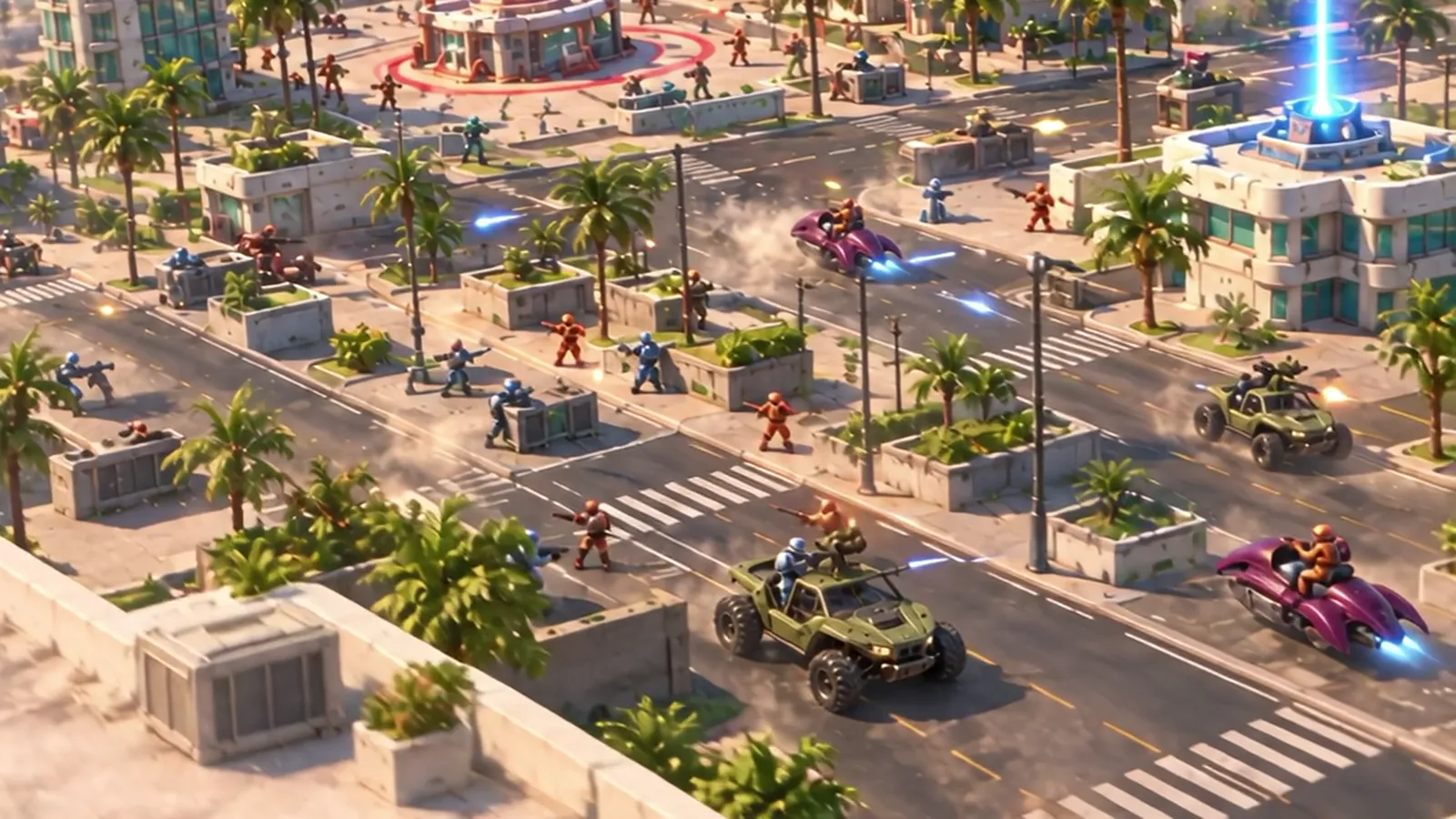
Top Blasters is a large-scale vehicle shooter that runs in any modern browser, with no download and no install. We built every layer ourselves: the renderer, the physics, the bots, the netcode and the servers.
Most studios license an engine, rent a netcode framework and stitch together a backend. Liquid Labs owns every layer between the player's GPU and the server's ledger. Each layer is tuned for one job: very large, fair, real-time firefights in the browser.
An in-house real-time 3D engine built on three.js and WebGL. It does the rendering, animation, physics, destruction and gore, and loads straight into a browser tab.
Server-authoritative multiplayer built for shooters. It handles lag compensation, prioritized state streaming and a dual transport: WebTransport datagrams with a WebSocket fallback.
Full-size Conquest battles with infantry, ground vehicles, aircraft and drop pods. Turbine's per-player bandwidth budgets keep every client's stream inside its link.
Every performance change is measured against a 10 ms frame and checked on 1% lows. Big lobbies follow a visual-parity rule: a 128-player match must look like a 32-player one.
Players are served from the region nearest to them, and one home region holds the single authoritative ledger. Each region runs the same build with the same security.
Wallet sign-in, items and the market all run on Solana mainnet. Cosmetics are real compressed NFTs, minted with no fee to the player. Ownership is verified on-chain, and match outcomes are signed and audited server-side.
Mayhem is our own engine layer on top of the web's open graphics stack. A match loads straight into the browser and holds high frame rates with dozens of players, vehicles and effects on screen.
General-purpose multiplayer frameworks sync a shared state object. Turbine is built for one harder problem: making a hit in a 128-player gunfight feel fair at 30 ms and still fair at 300 ms.
Colyseus is a respected open-source multiplayer framework for Node.js, and the closest well-known reference point for Turbine. It is built to sync state for any kind of game. Turbine is built only for large competitive shooters, and it ships the hard parts as standard.
| Capability | Turbine (Liquid Labs) | Colyseus |
|---|---|---|
| Scope | Shooter-specific: movement, projectiles, vehicles, hit judgment | General-purpose room and state sync for any genre |
| Server authority | Built in, with signed outcomes | Built in |
| Lag-compensated hits | Built in (hitscan and projectiles) | Not part of the framework; each game writes its own |
| Per-player priority and bandwidth budget | Built in | State views filter what each client sees; no per-player byte budget |
| Unreliable datagram transport | WebTransport in production since Oct 2026 | WebTransport transport offered as experimental |
| Proven room size | 128-seat matches live in production | No per-room figure published; scaling is quoted as total CCU |
| Server-side bots | Infantry, drivers, pilots and objective AI | Not included |
| Multi-region with one ledger | Live: West and East | Managed cloud in many locations; game state and economy left to you |
| Economy and anti-cheat integration | On-chain items, audited match tapes, server-side checks | Out of scope |
| Engine SDKs and licence | Proprietary, built for the Mayhem Engine | MIT open source with many engine SDKs. A real strength for general use. |
Colyseus facts are taken from colyseus.io and its transport documentation (WebTransport is marked experimental), read November 2026. Colyseus is a trademark of its owners and is named here only for comparison.
Every match hands out rewards: crate drops, extracted loot, unlocks, nameplates. To keep what they win, players make a small token swap inside the game. The reward becomes an on-chain item they own and can trade on the in-game market. Every swap and every sale carries a platform fee, so trading volume comes from play itself, not from ad spend.
Unpredicted rewards trigger a stronger dopamine response than expected ones [1]. Random crate drops and rarity tiers keep every match worth one more run.
People value what they worked to build far more than identical items they did not [2]. A skin earned in a firefight is worth keeping.
Once something is ours, we demand far more to give it up than we would pay for it [3]. Owned items hold their value, and that props up market prices.
Losses weigh more than equal gains [4]. Framing the swap as keeping something already won turns it into the obvious choice.
Each region runs the identical build, the same live playlists and the same security floor. Money is the deliberate exception: one home region holds, judges and pays every cent. Regional servers relay signed evidence and never hold keys or a second copy of the books.
Unedited play recorded in a desktop browser on topblasters.fun: live HUD, vehicles, gore and the kill feed, cut into two minutes. Turn the sound on.
Our first promo: the story, the squads and the brand.
Plug in a gamepad and play from the couch, with full controller navigation and button prompts.
A cinematic spot built from the game's characters, vehicles and arenas.
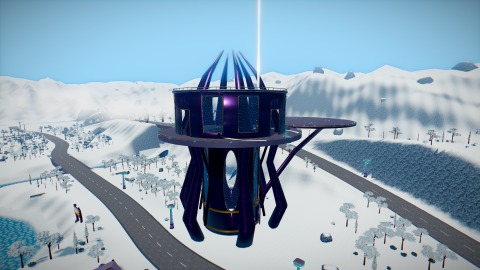
Snow-field armour, jungle firefights and close-quarters interiors, each recorded live in a browser tab.
From close-quarters duel arenas to vehicle valleys built for 128 players, every arena was designed and built in-house.
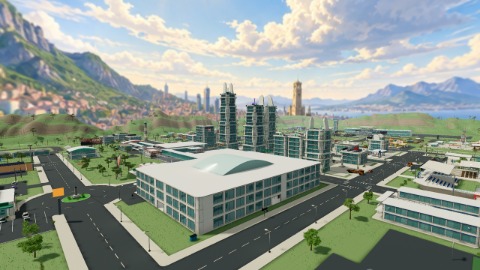
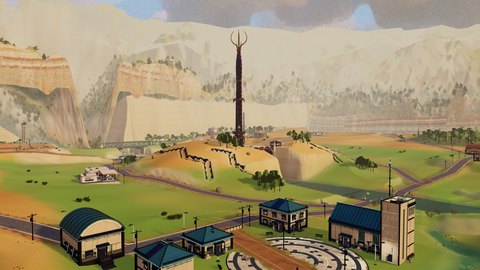
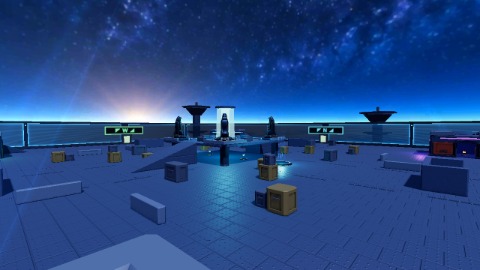
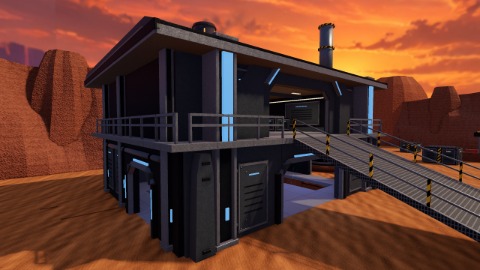
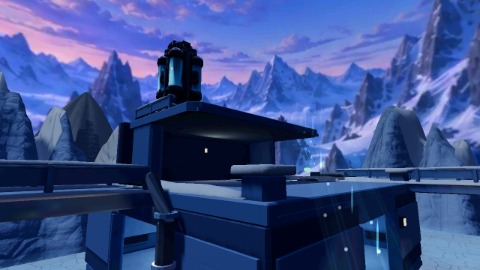
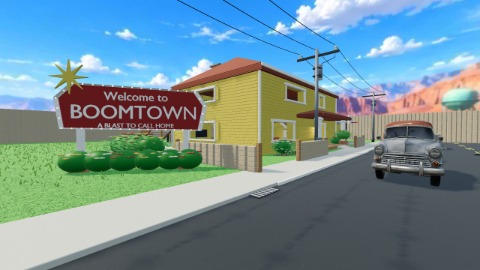
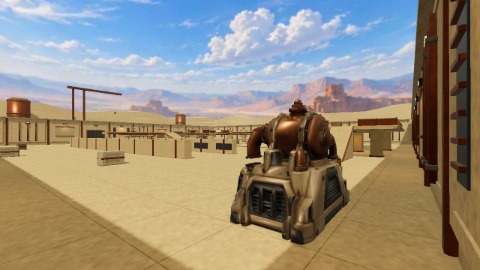
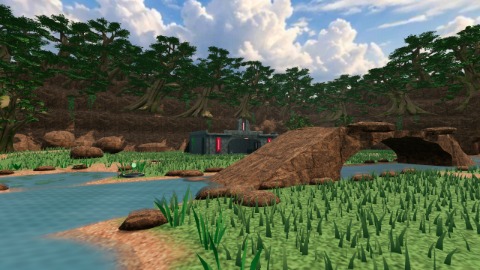
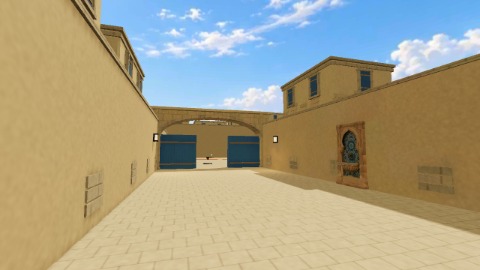
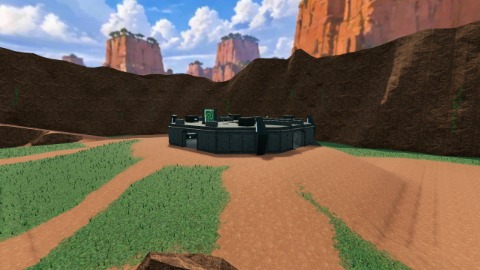
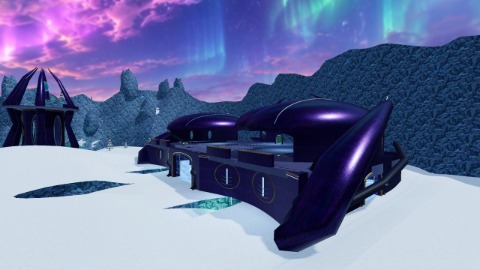
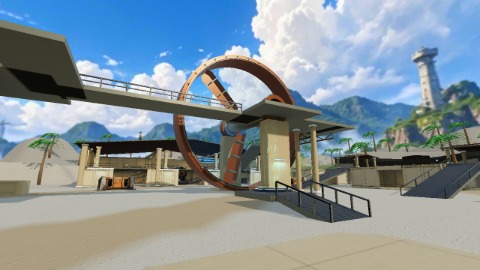
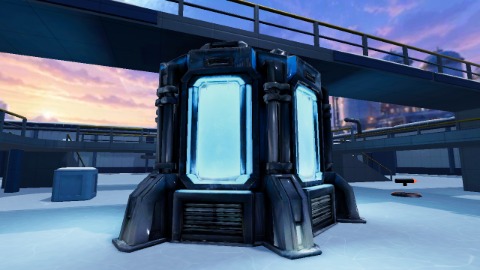
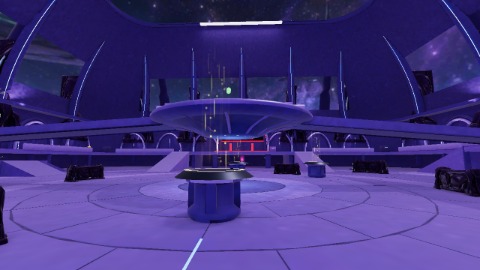
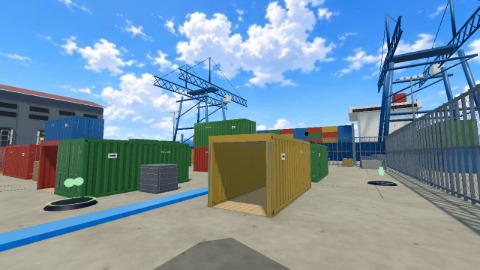
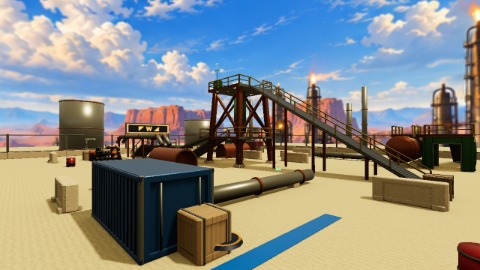
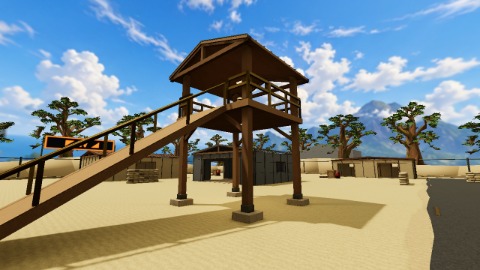
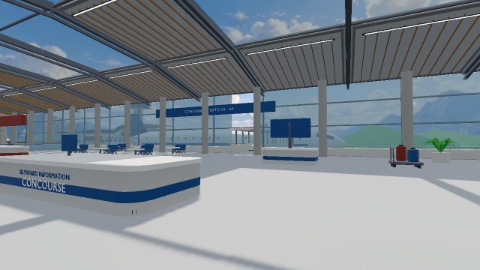
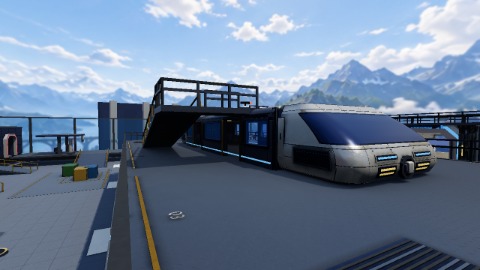
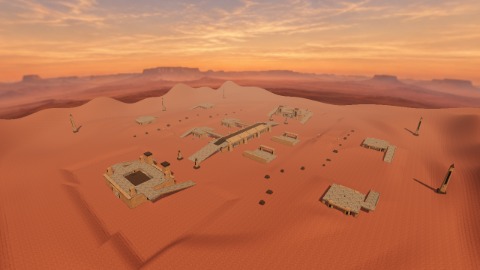
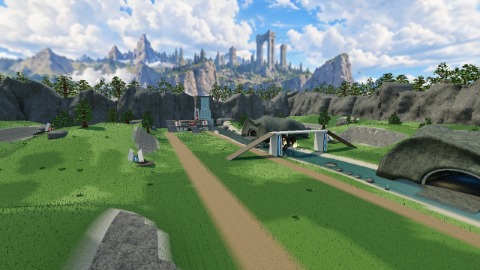
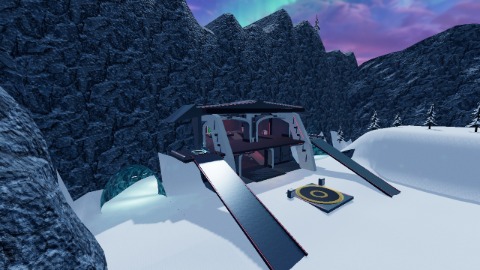
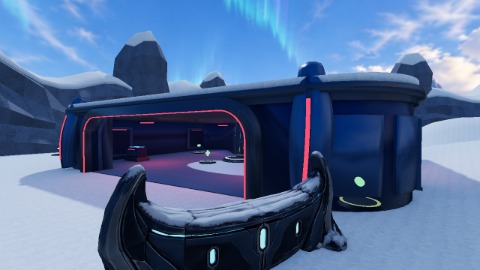
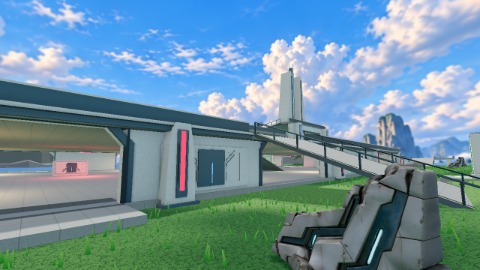
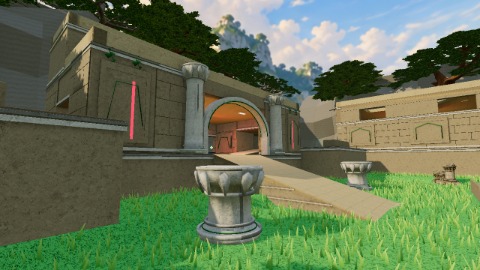
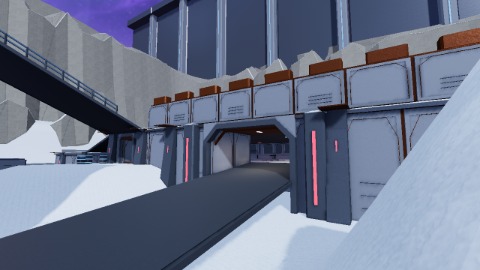
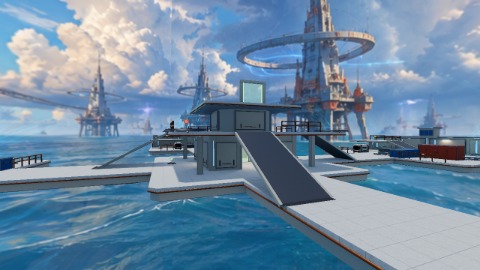
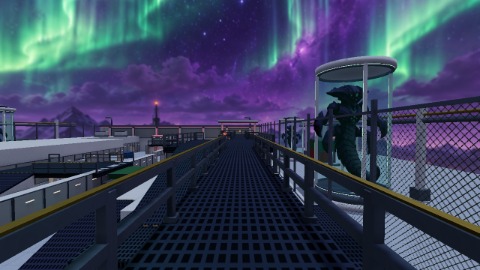
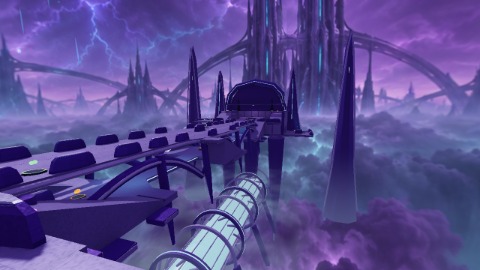
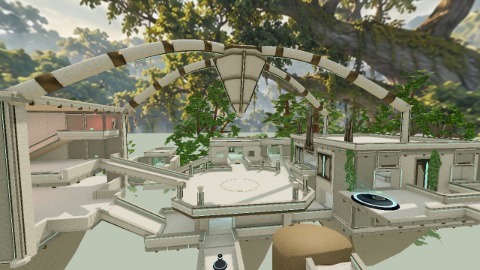
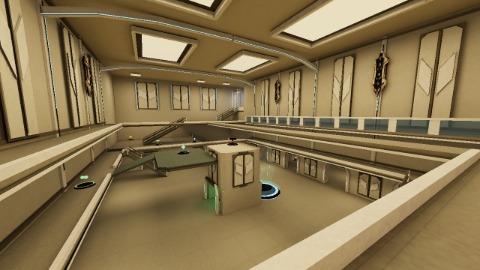
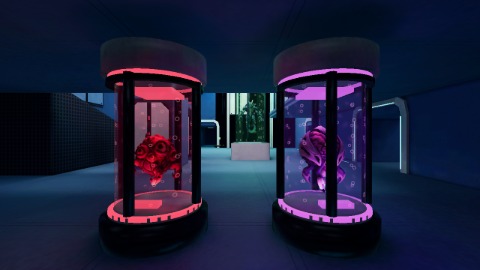
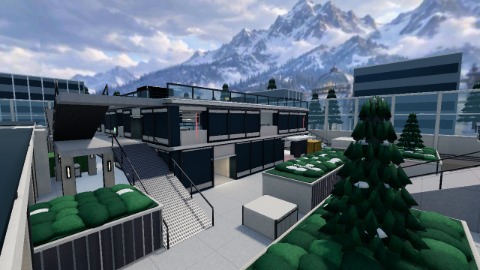
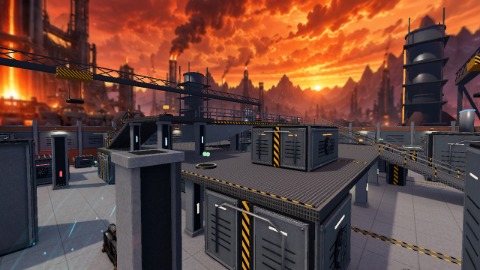
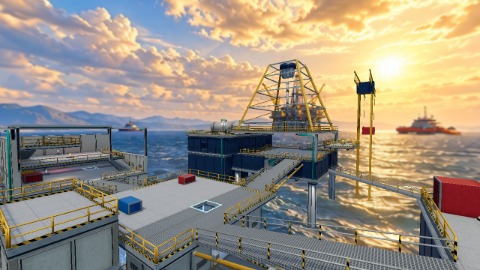
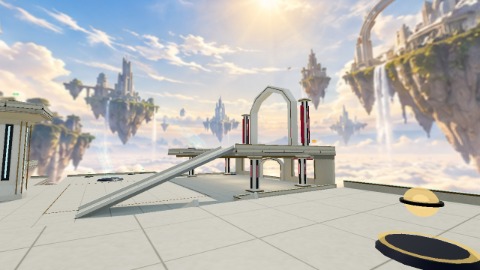
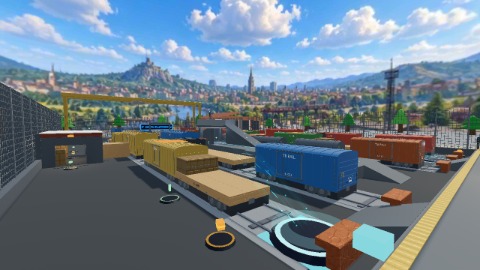
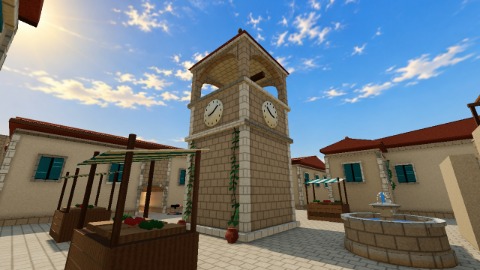
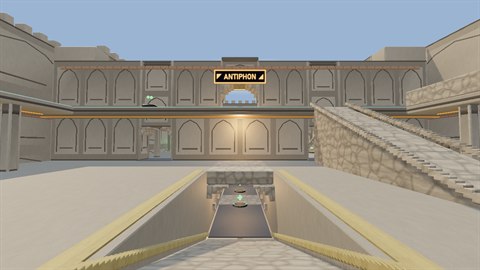
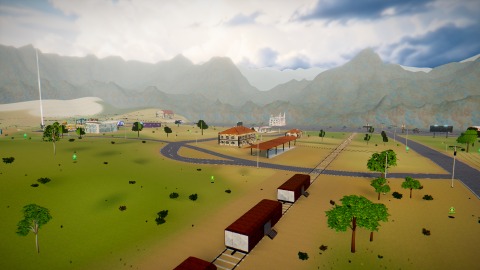
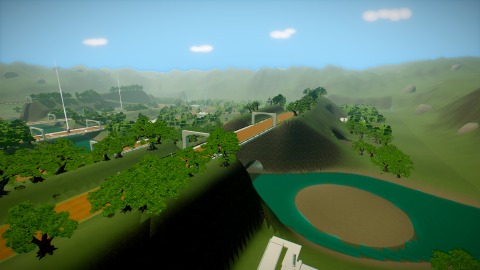
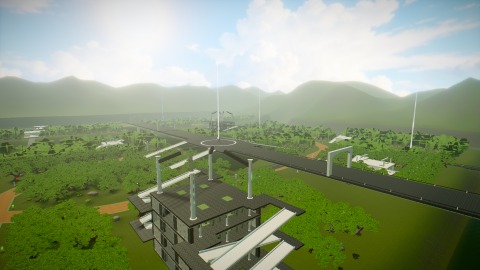
Key art of the game's vehicles, weapons and arenas. Click any frame to view it full size.
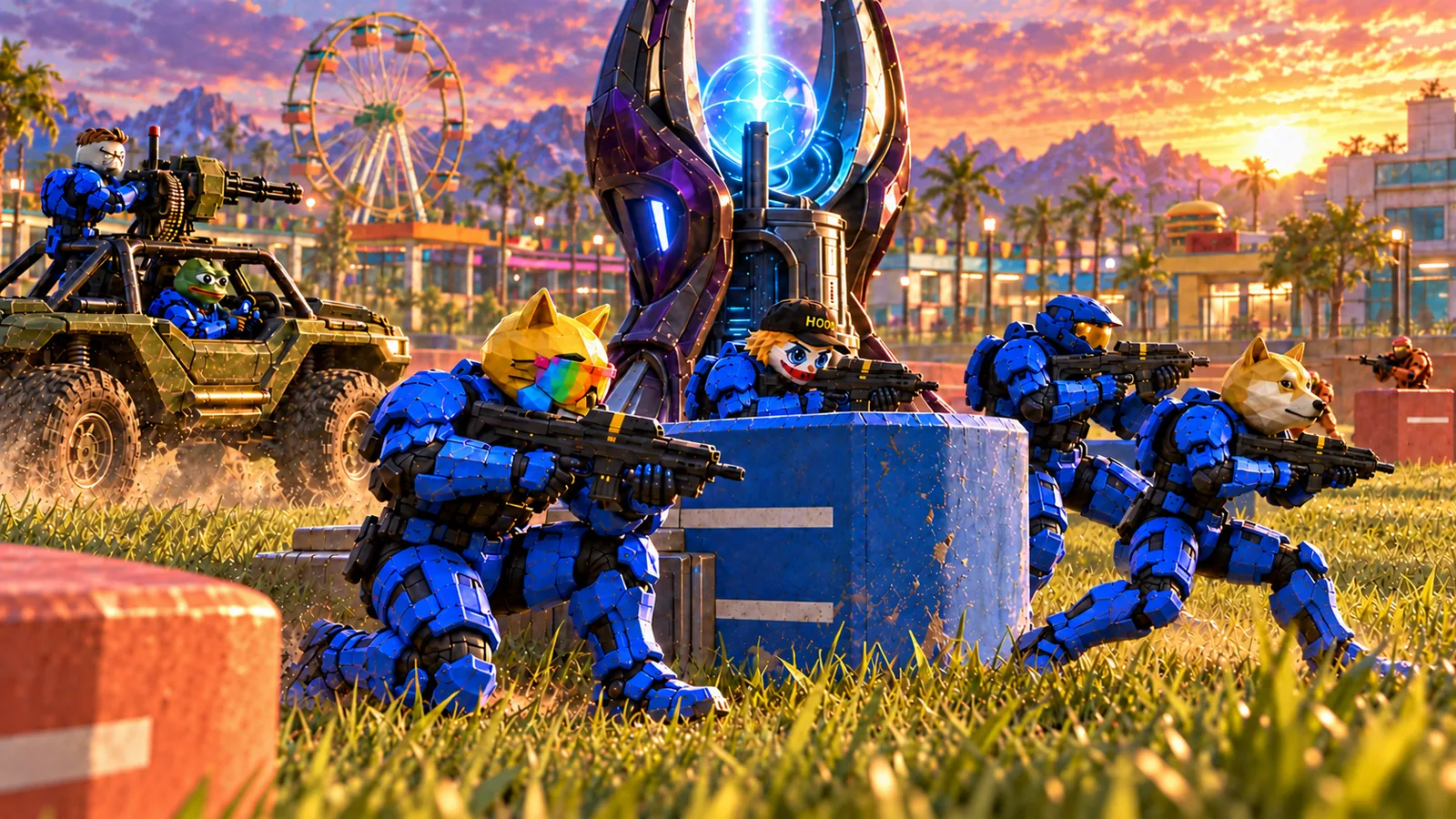 Conquest · Combined arms
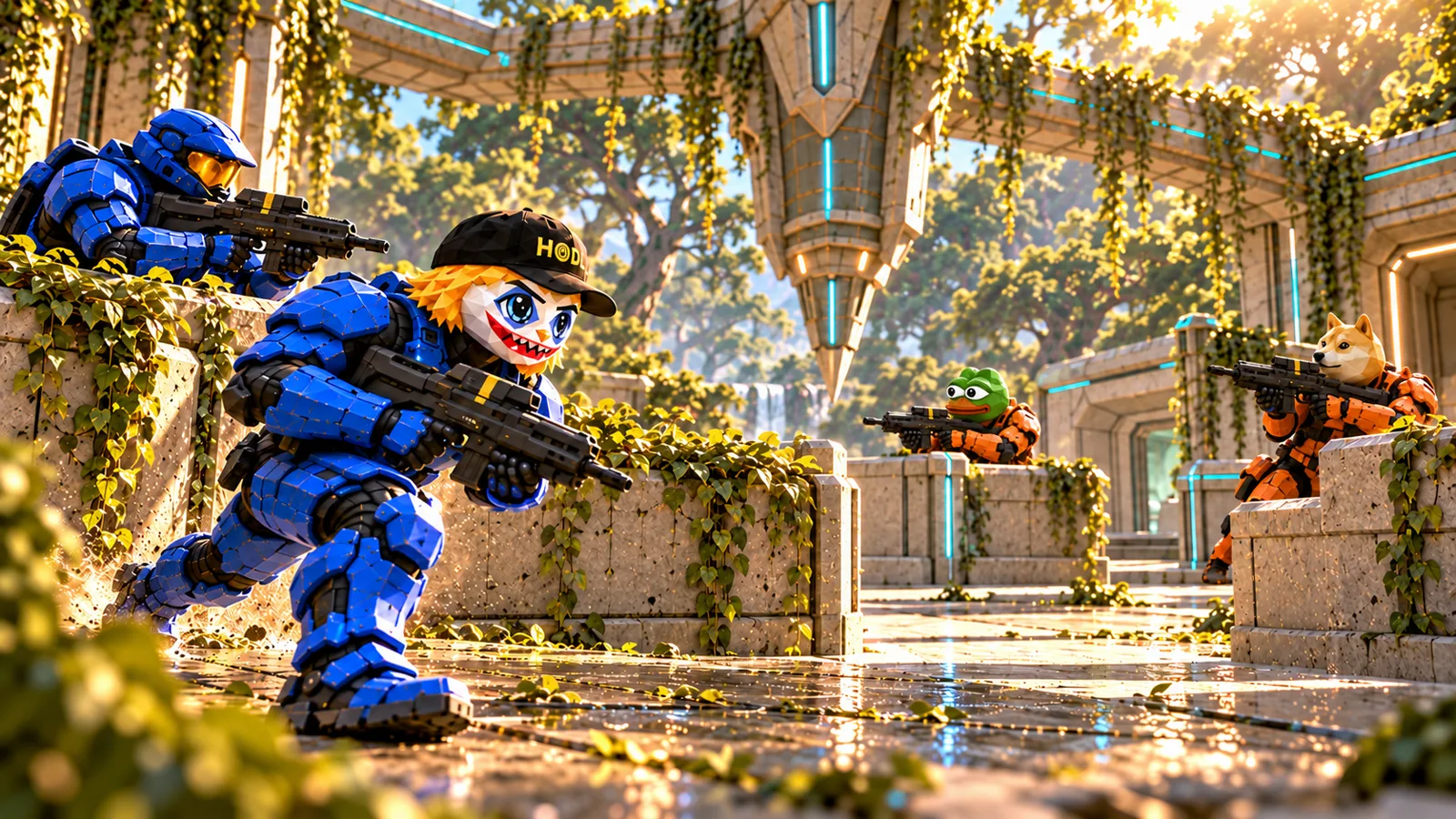 Canopy · Firefight
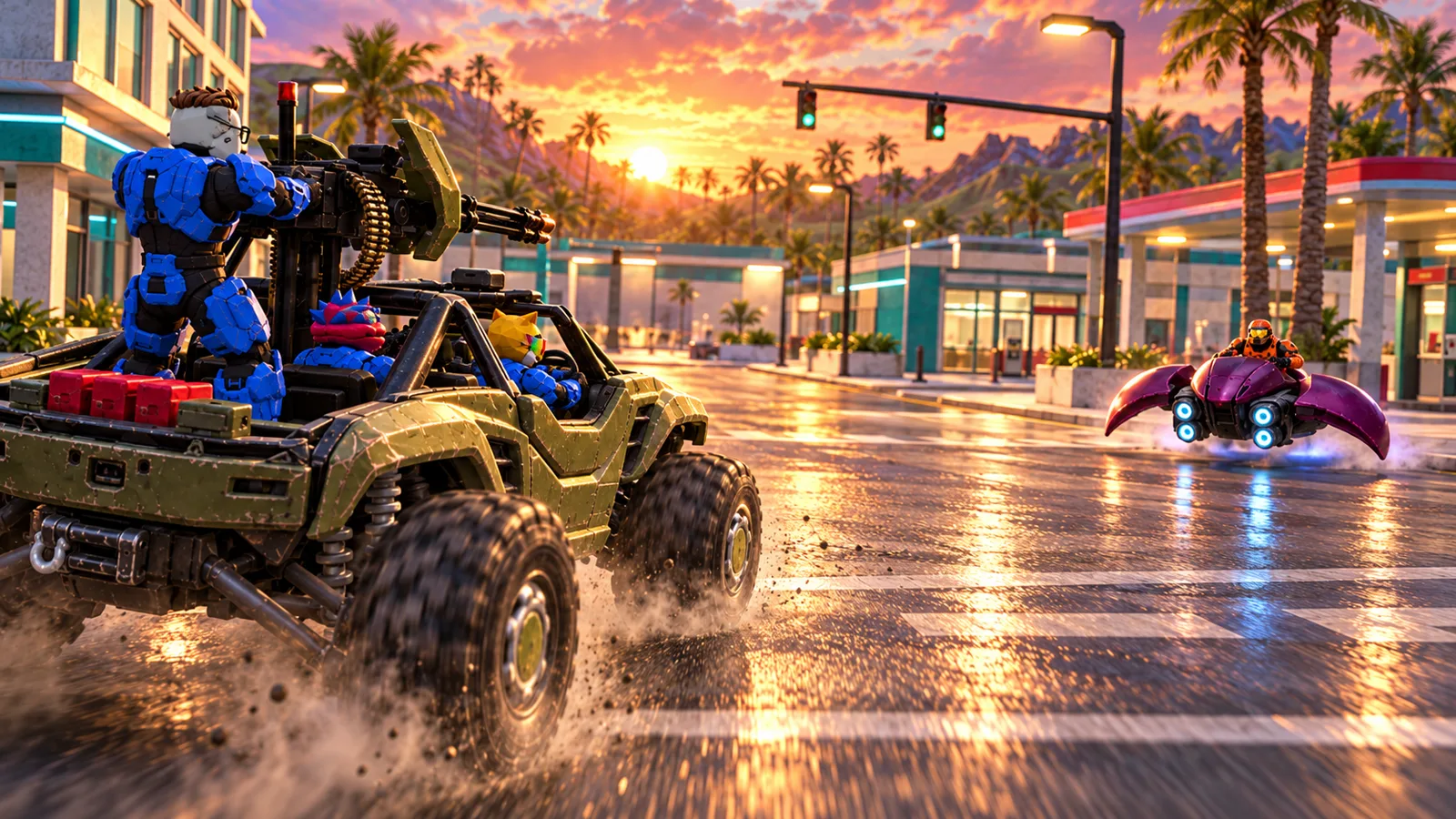 Road Hog · Street battle
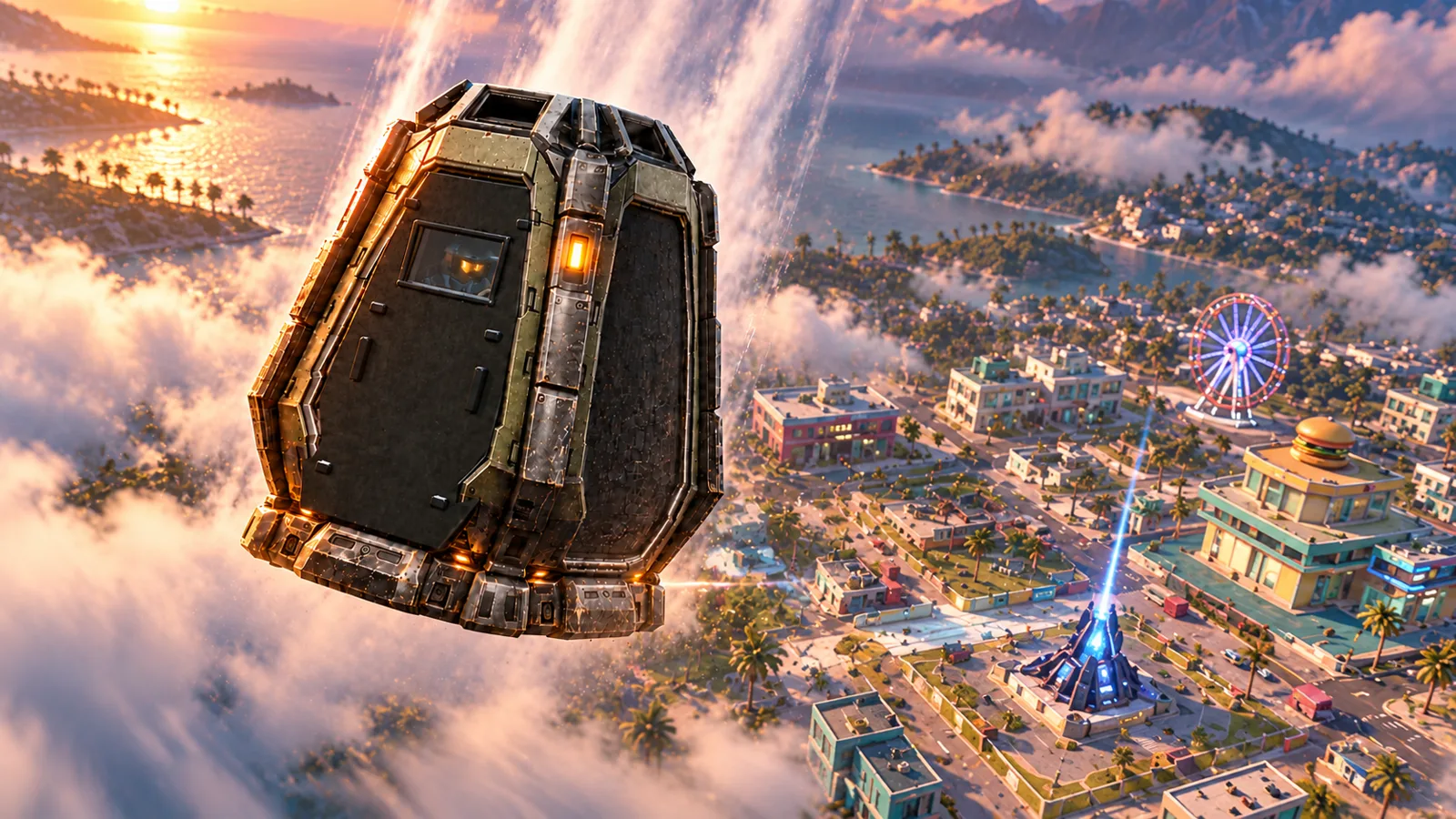 Drop pod · Insertion
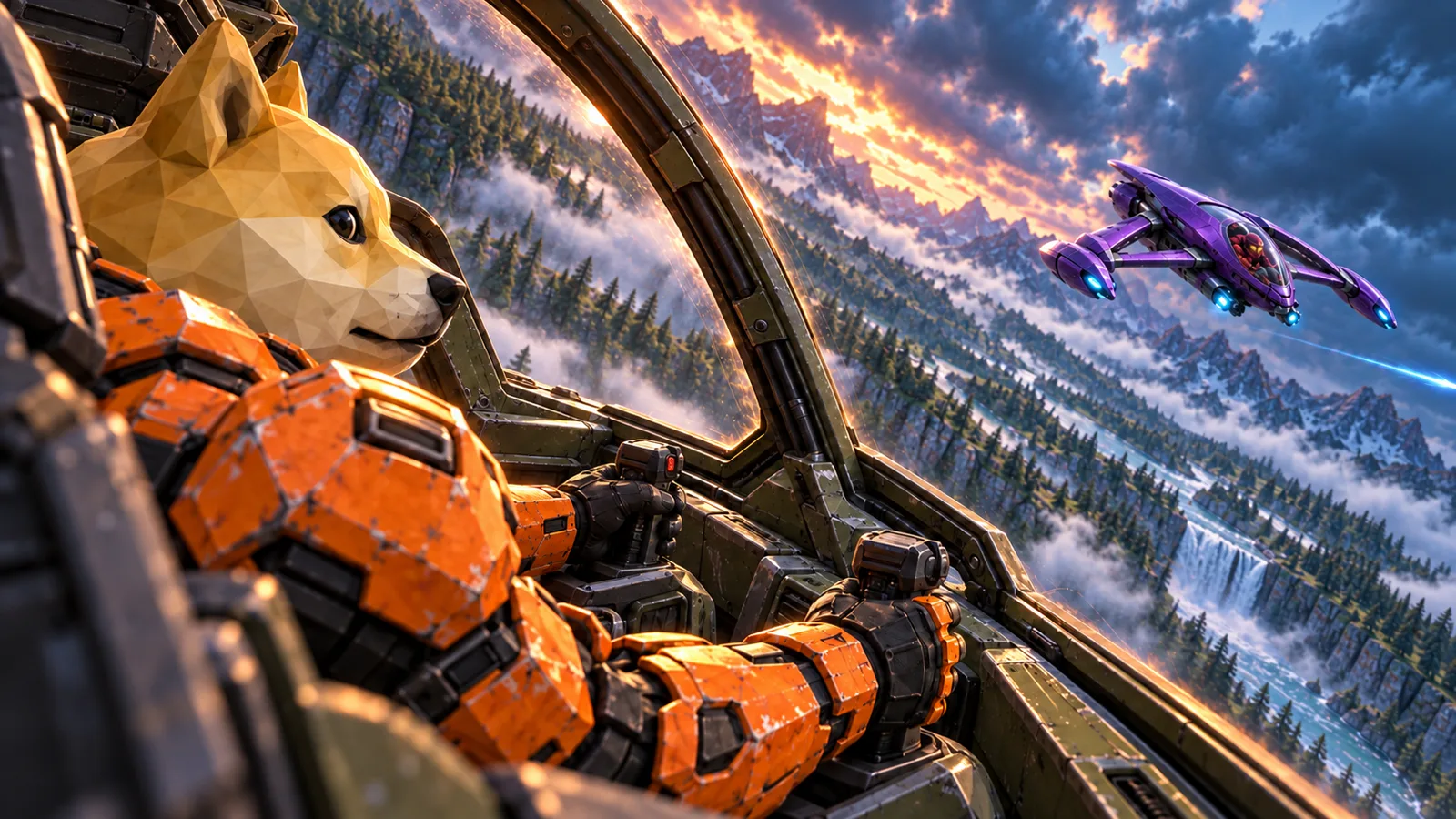 Pilot's view · Air combat
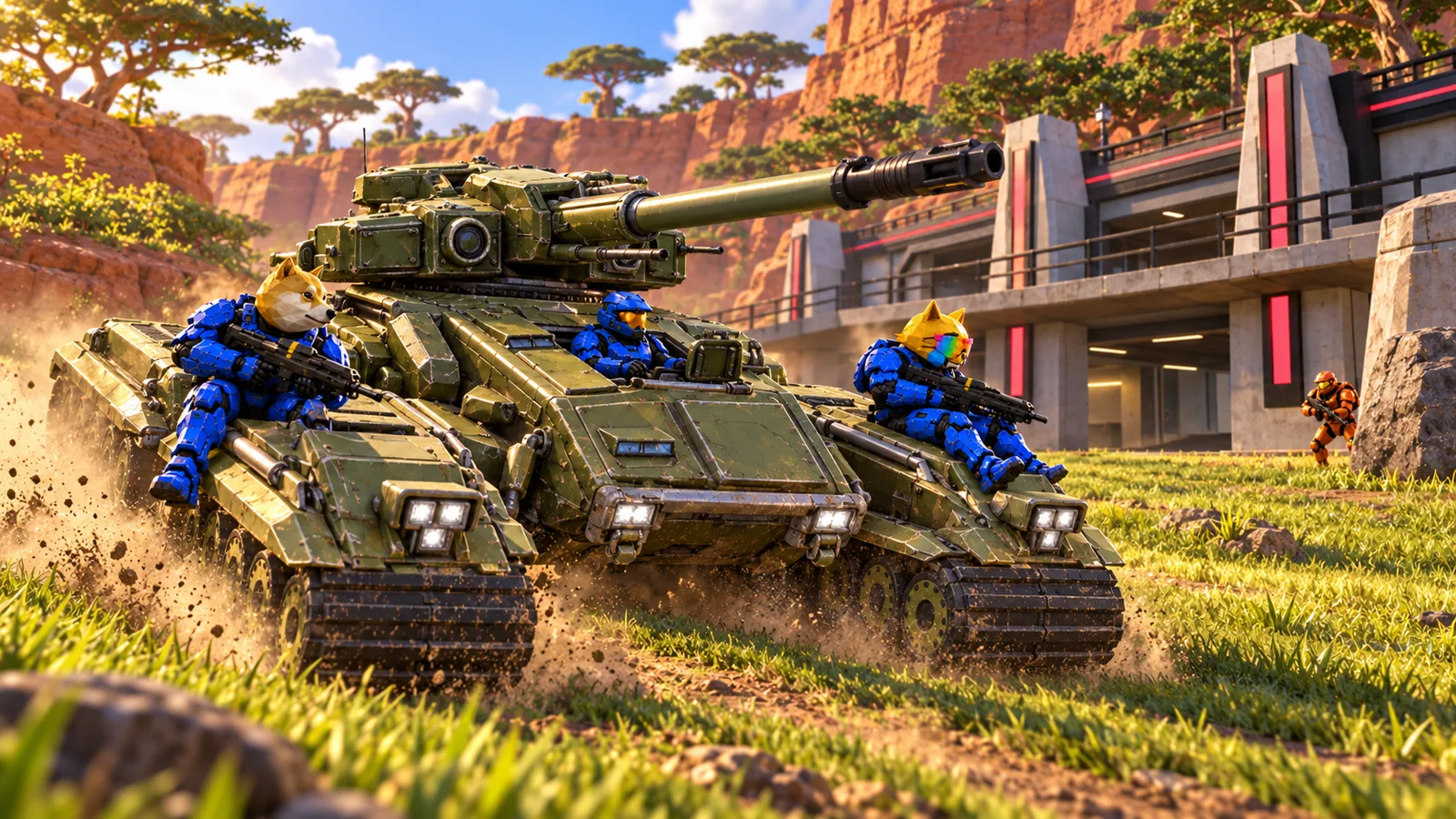 Hellfire Tank · Ironvale
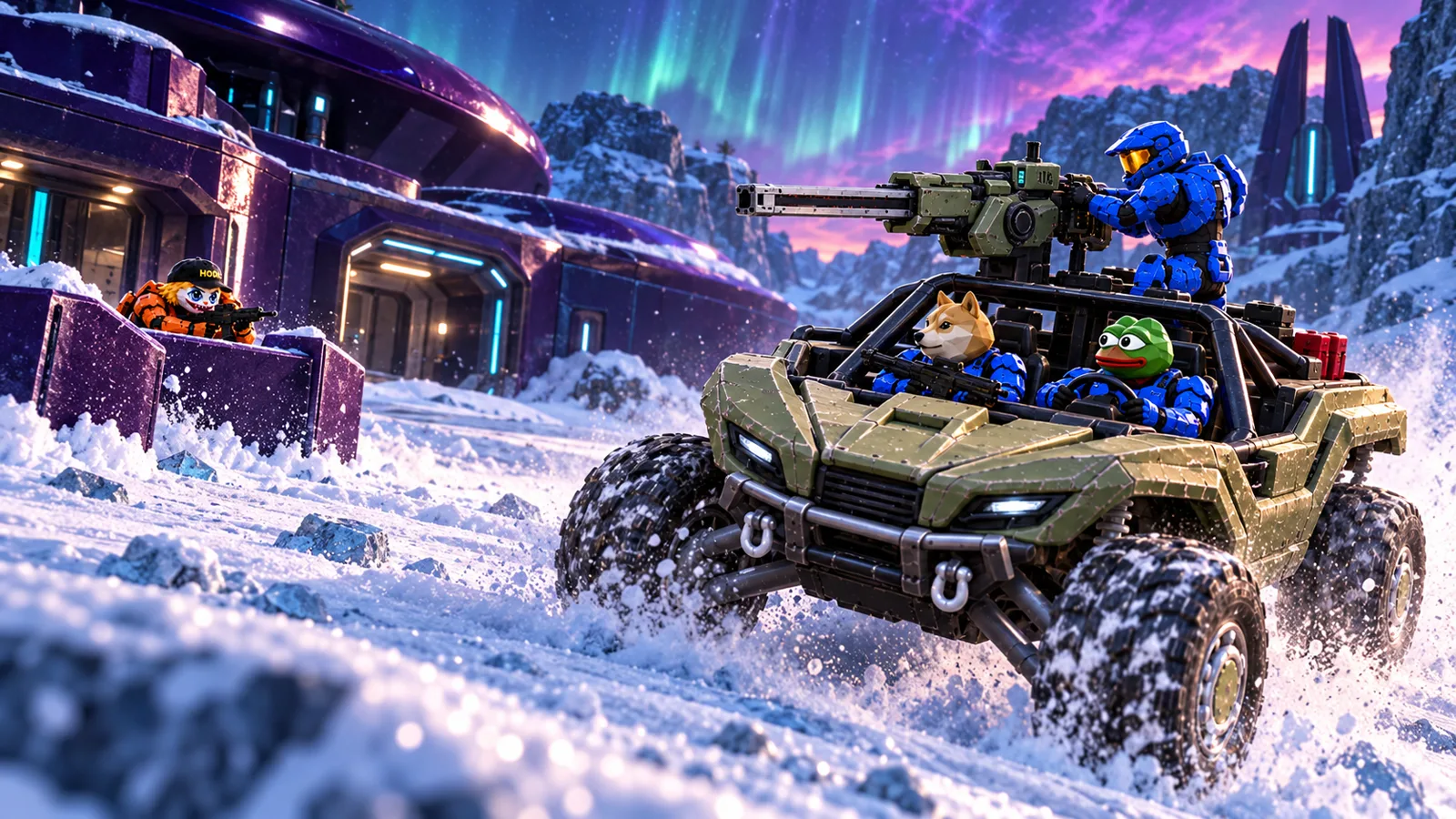 Boss Hog · Coldfront
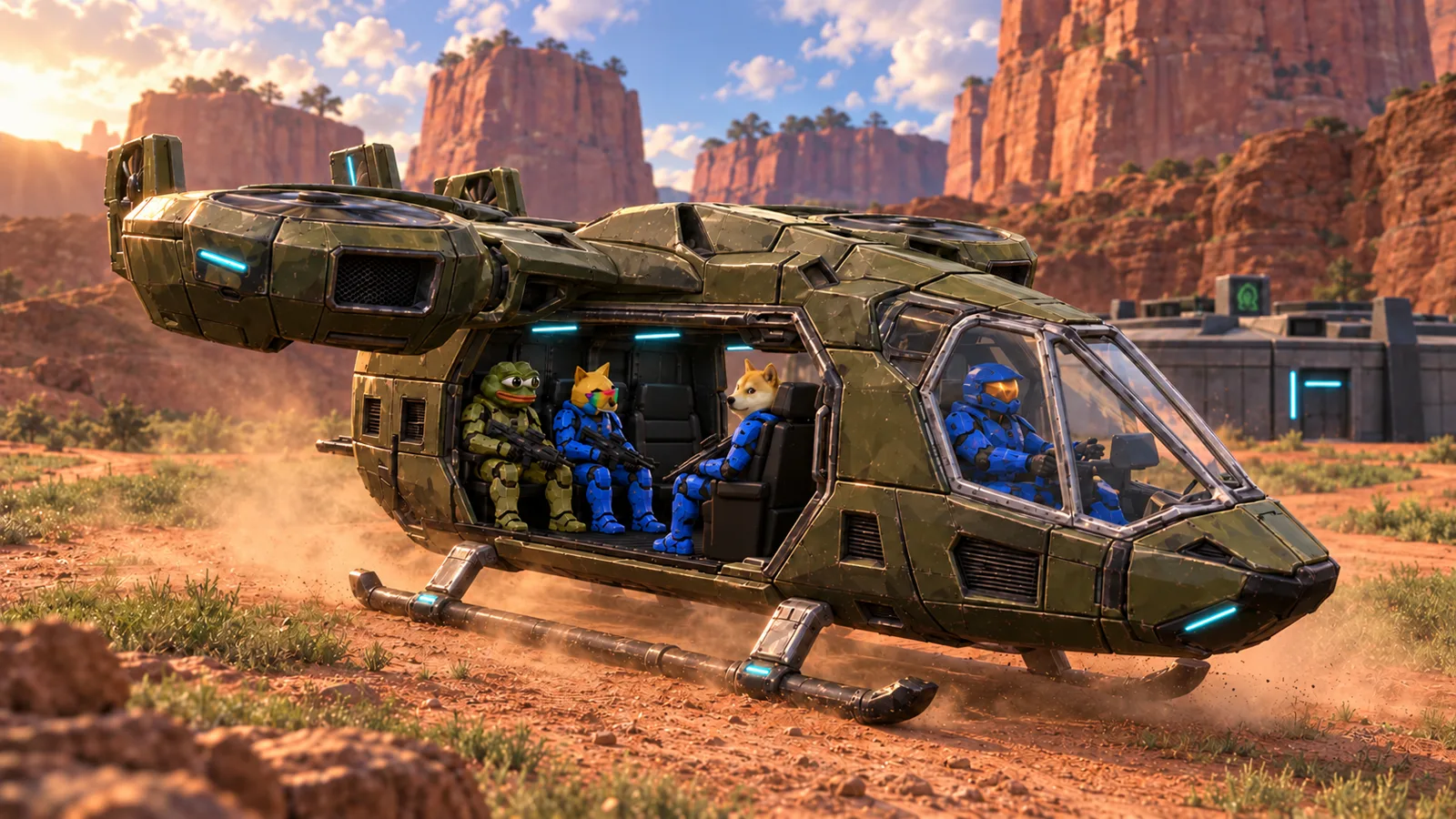 Chopper · Ironvale
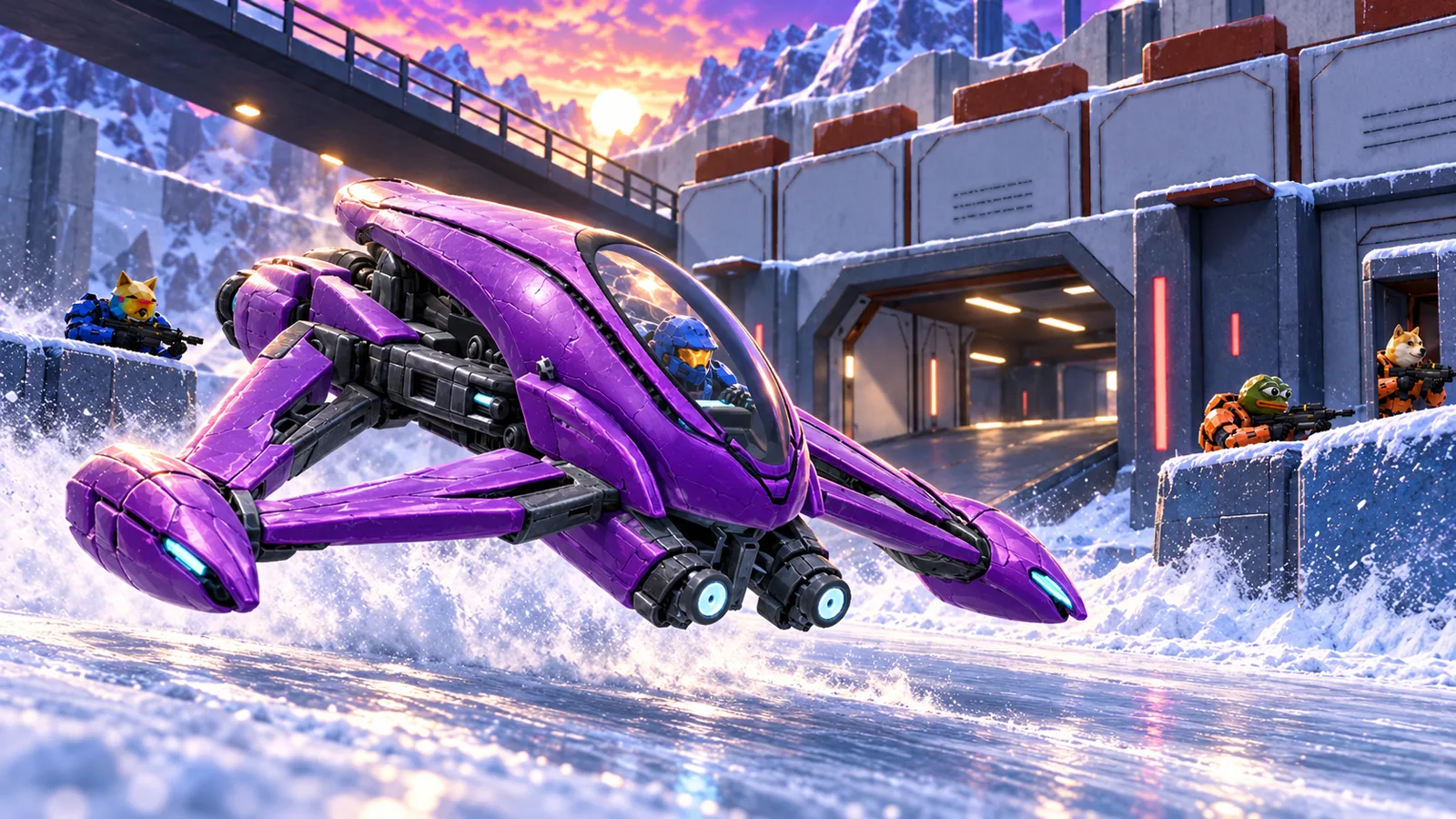 Comanchee · Frostgate
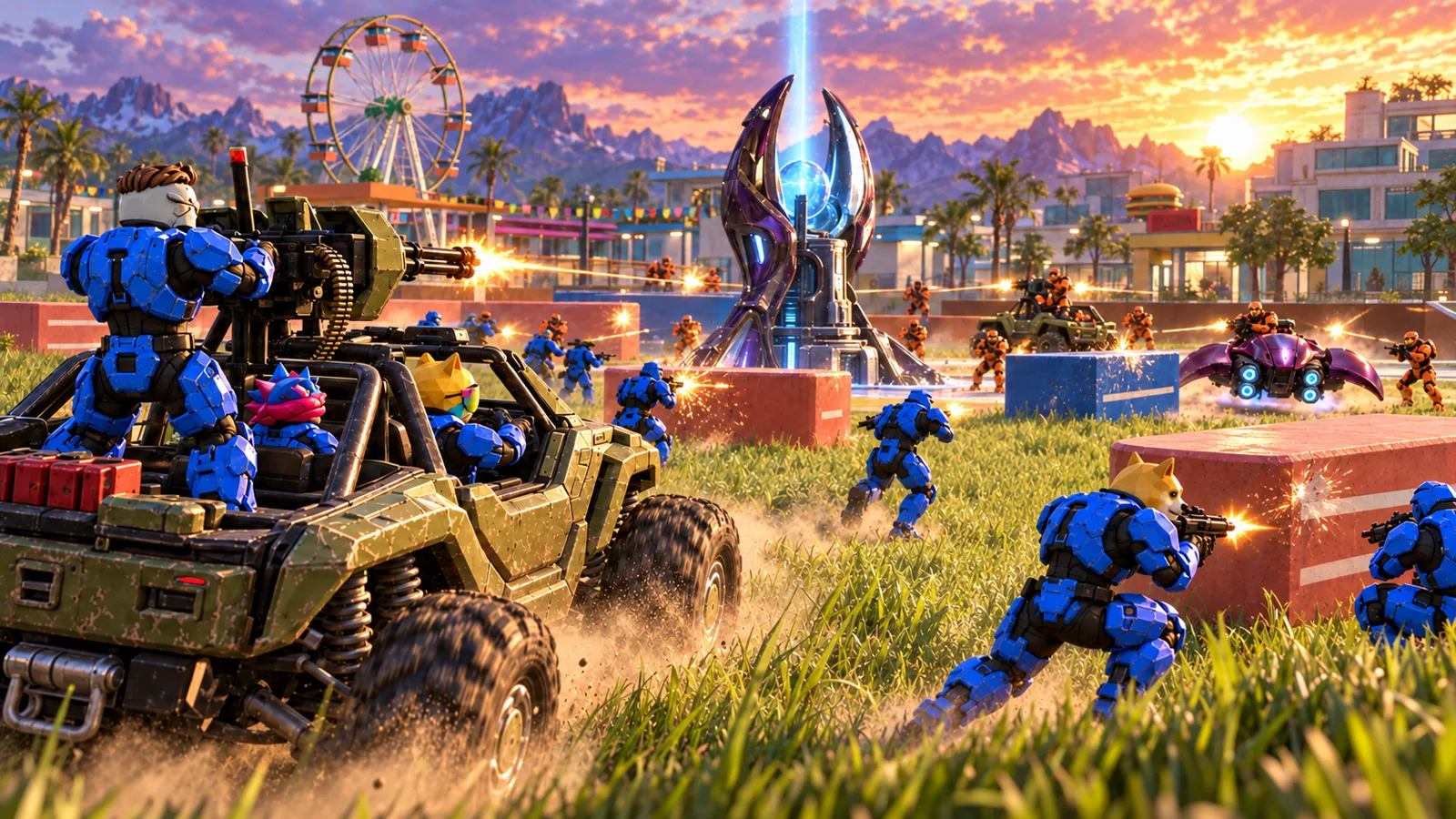 Road Hog · Blaster City
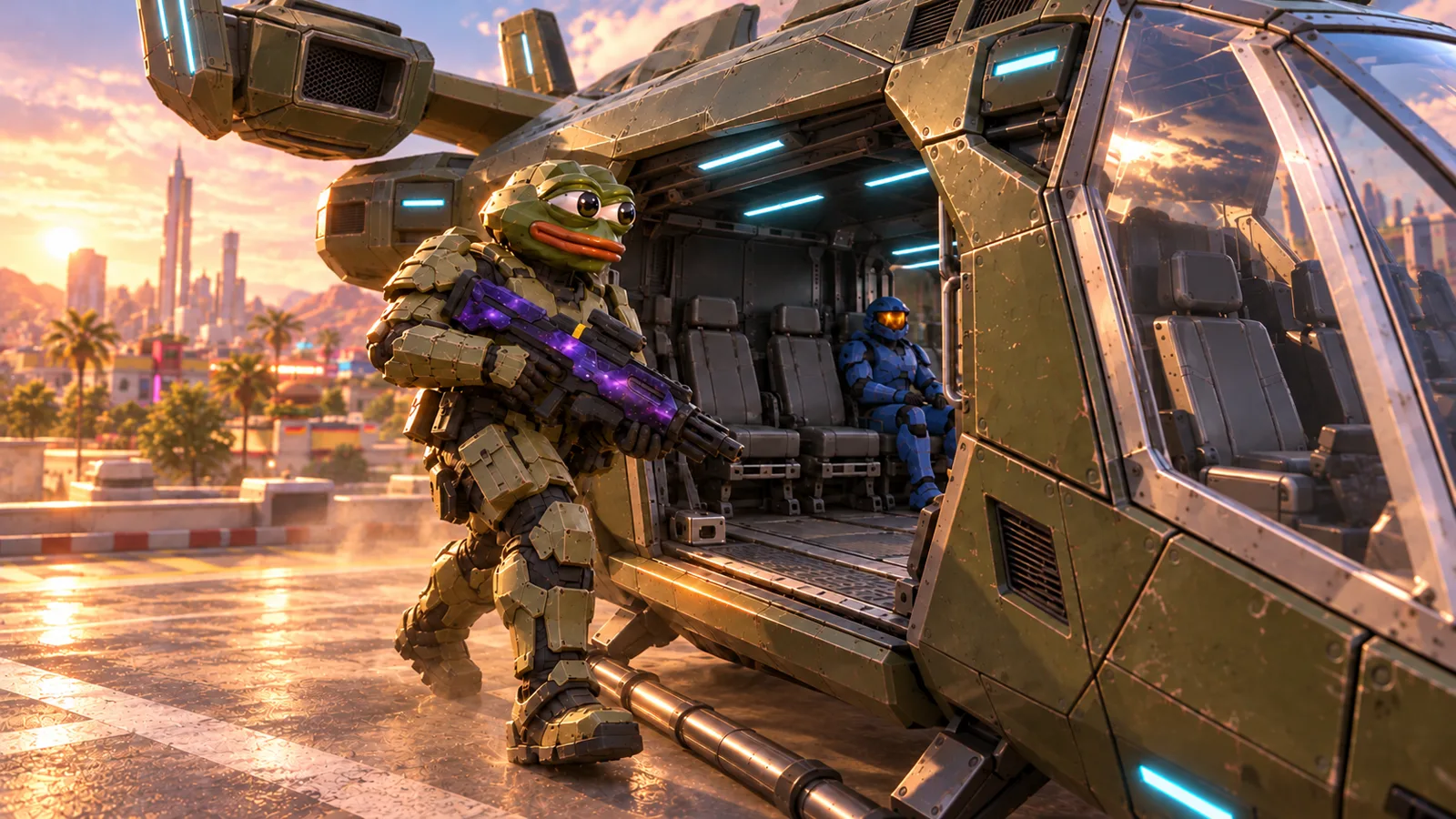 Transport · Extraction
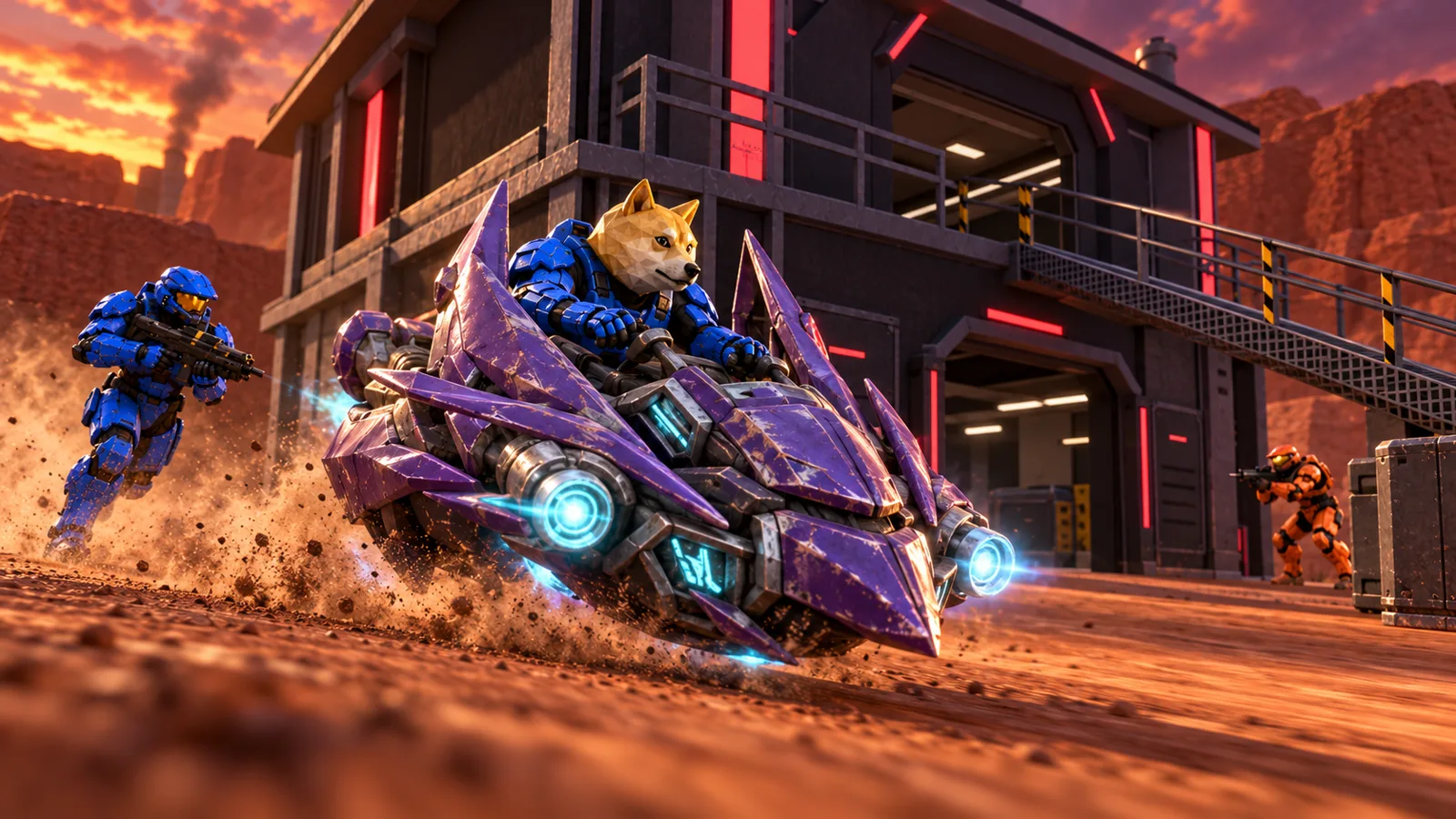 Rhino · Verdant Basin
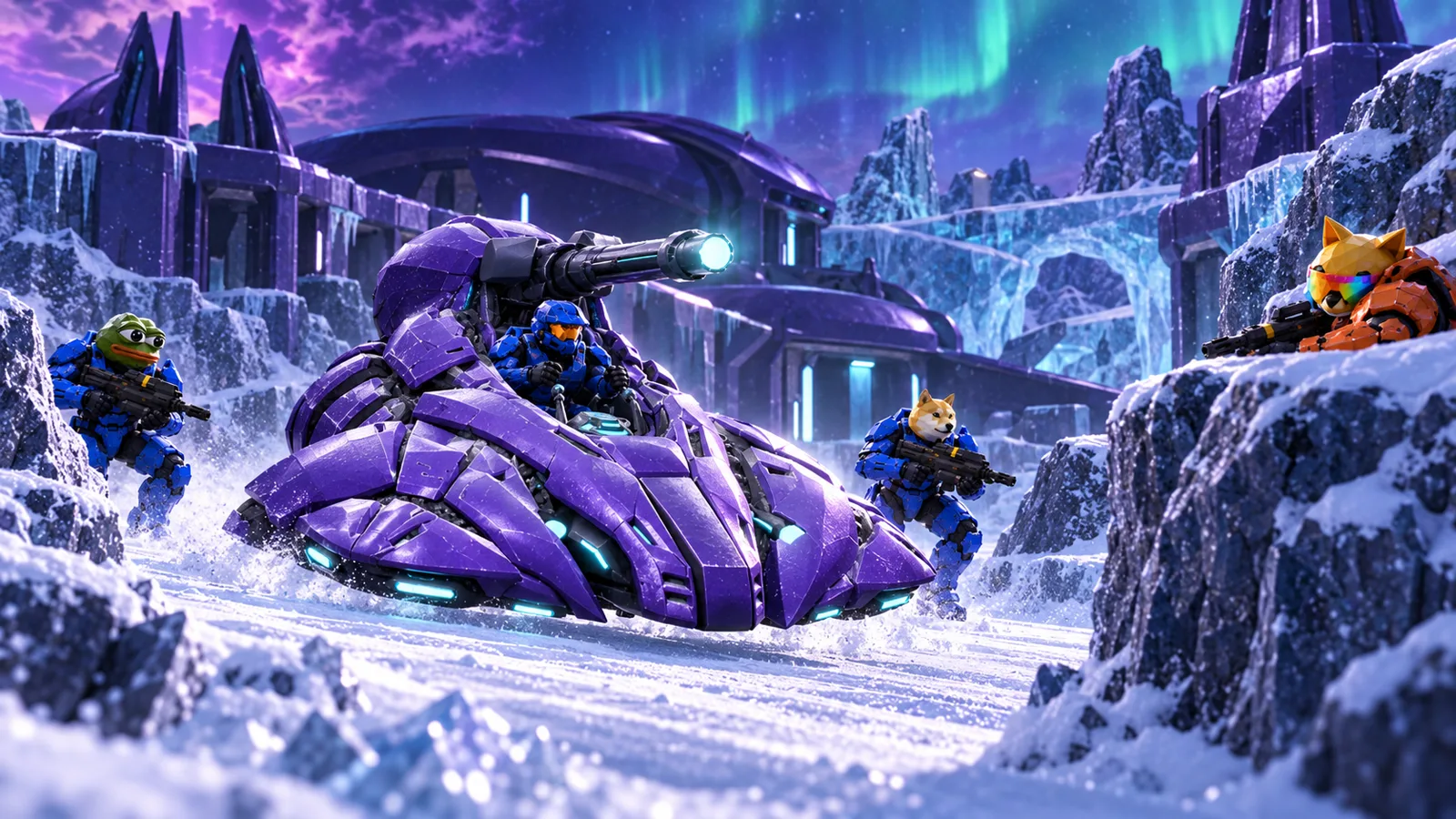 Goblin · Coldfront
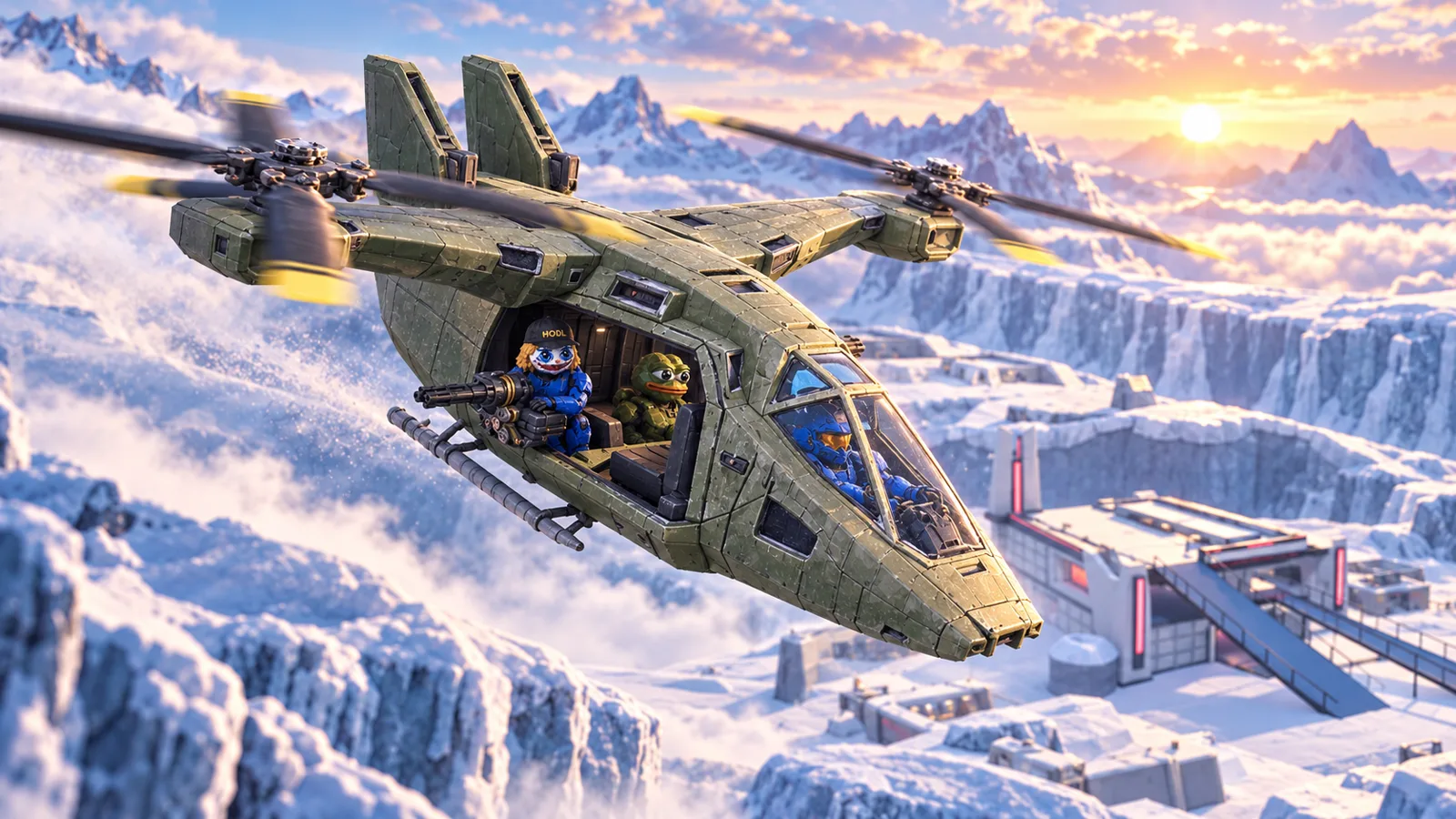 Whirly Bird · Rimefall
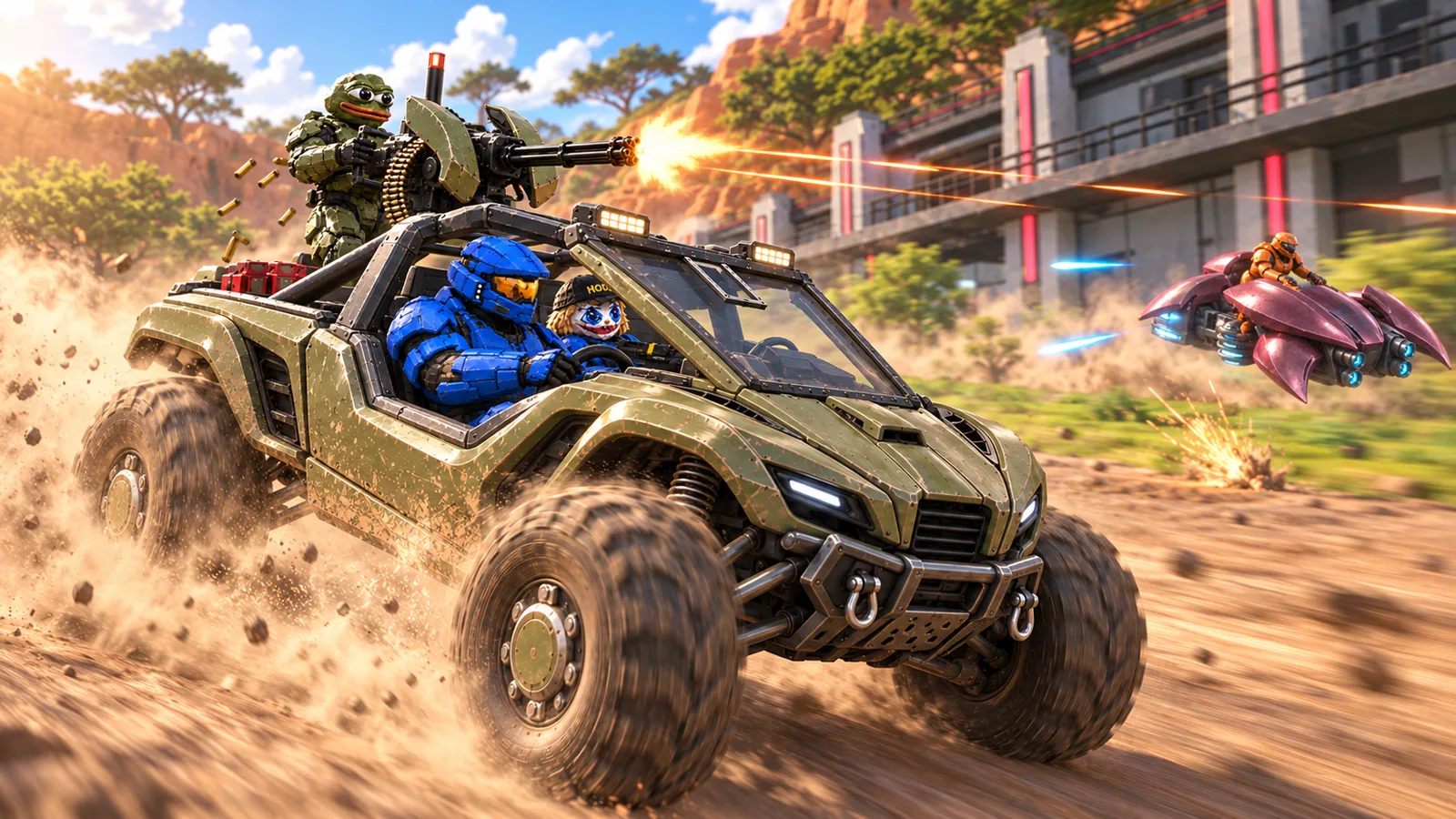 Road Hog · Desert run
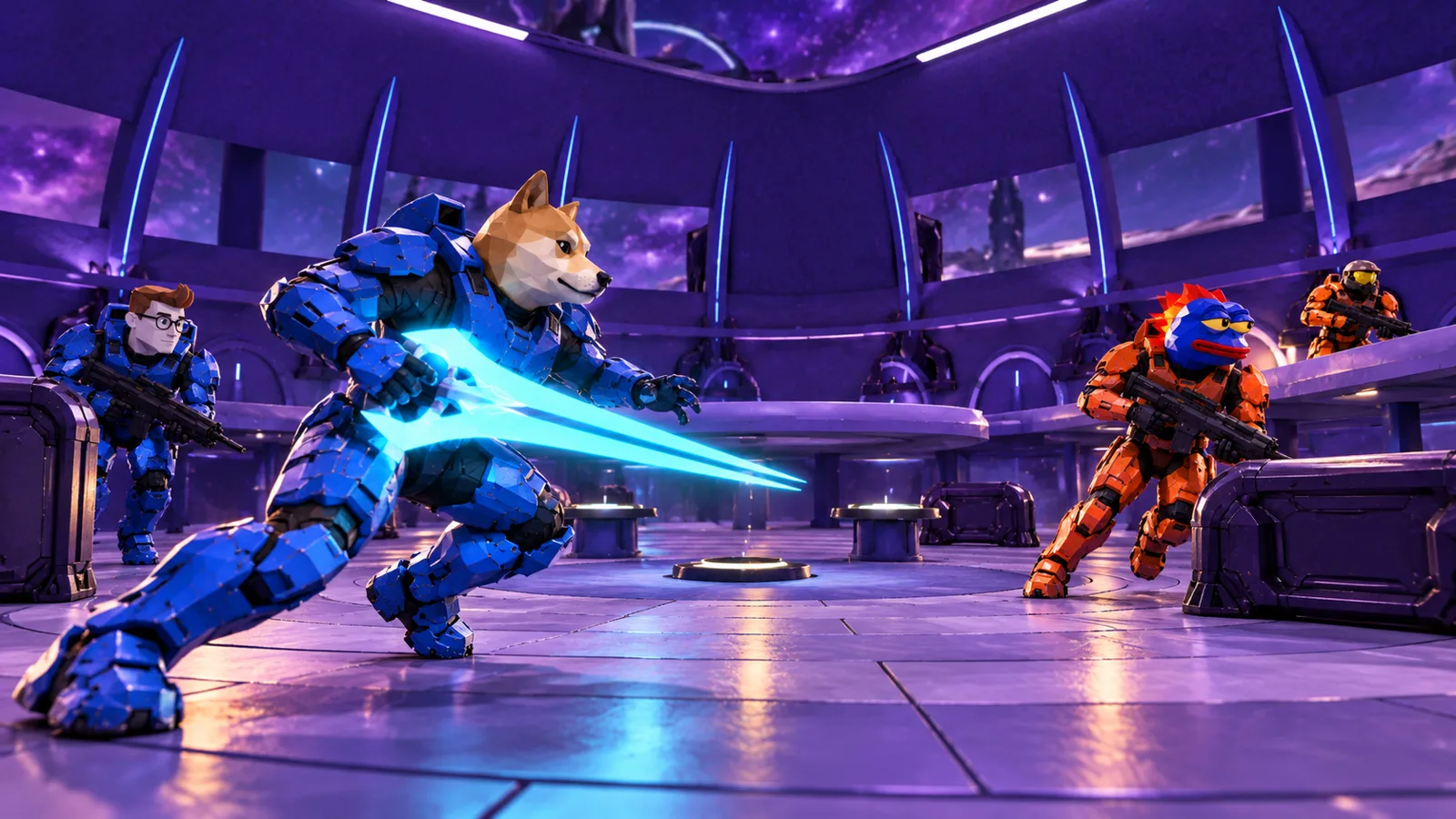 Plasma Blade · The Hold
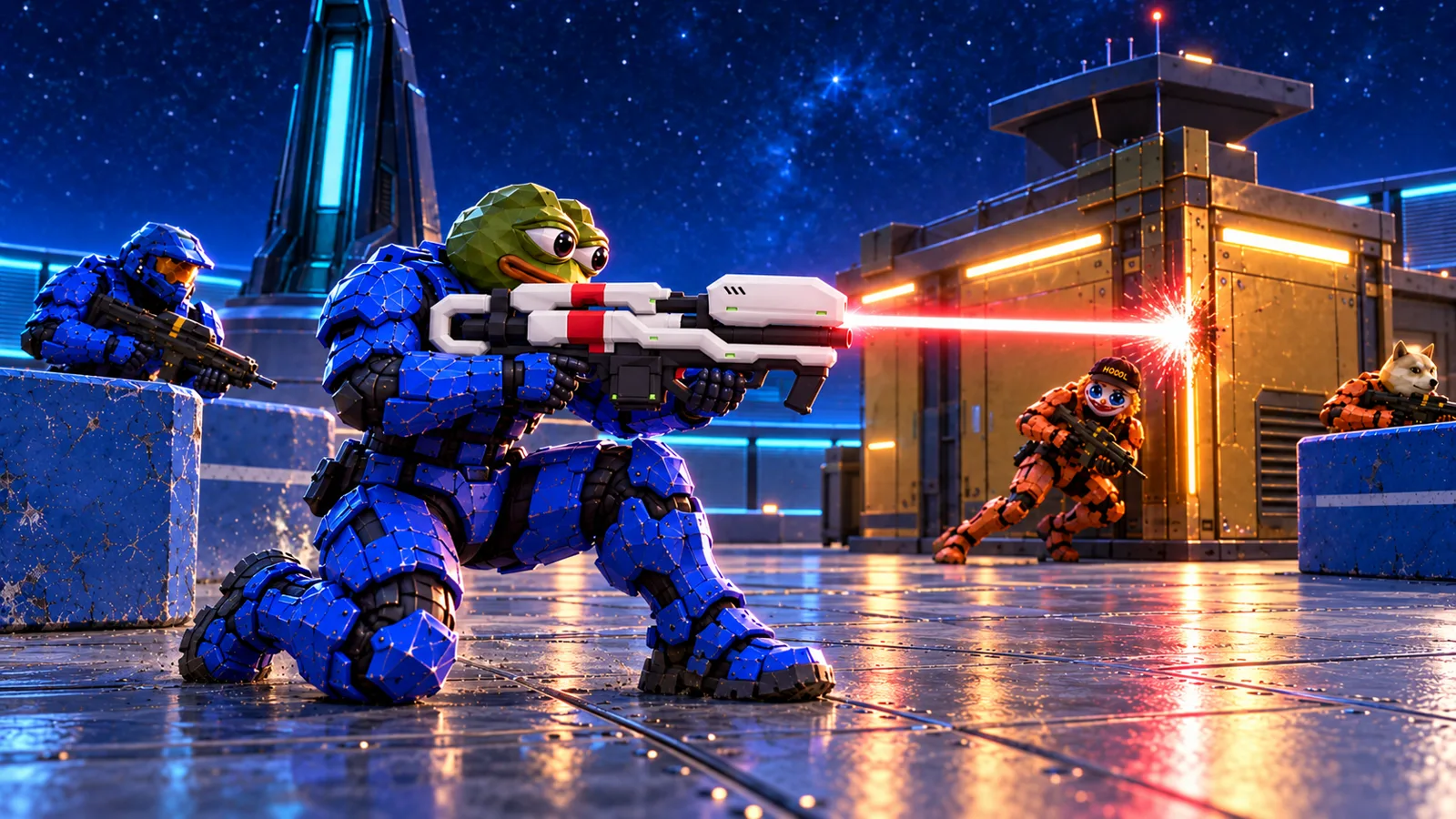 Sol Laser · Nexus Station
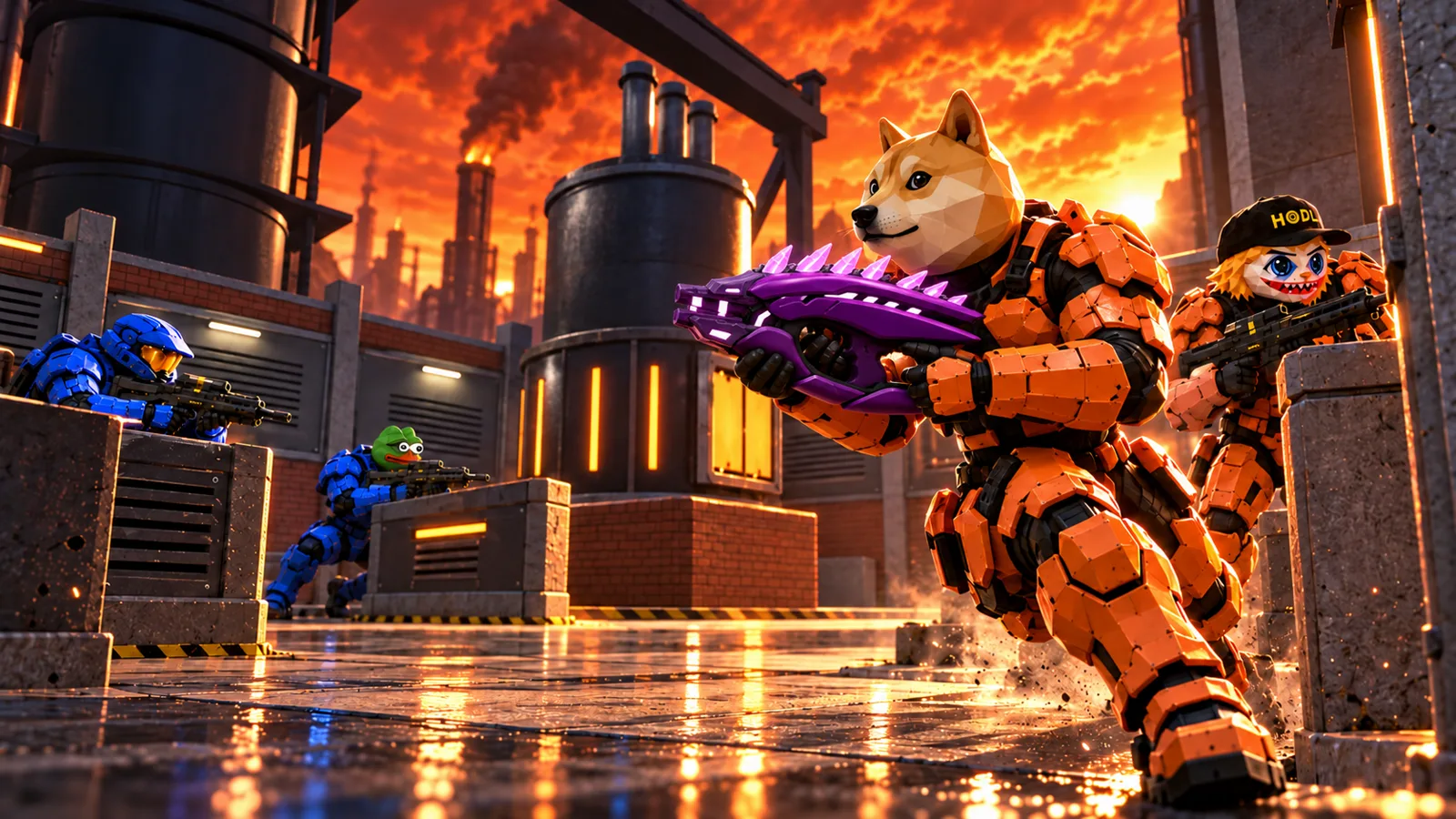 Pink Plague · Ashvault
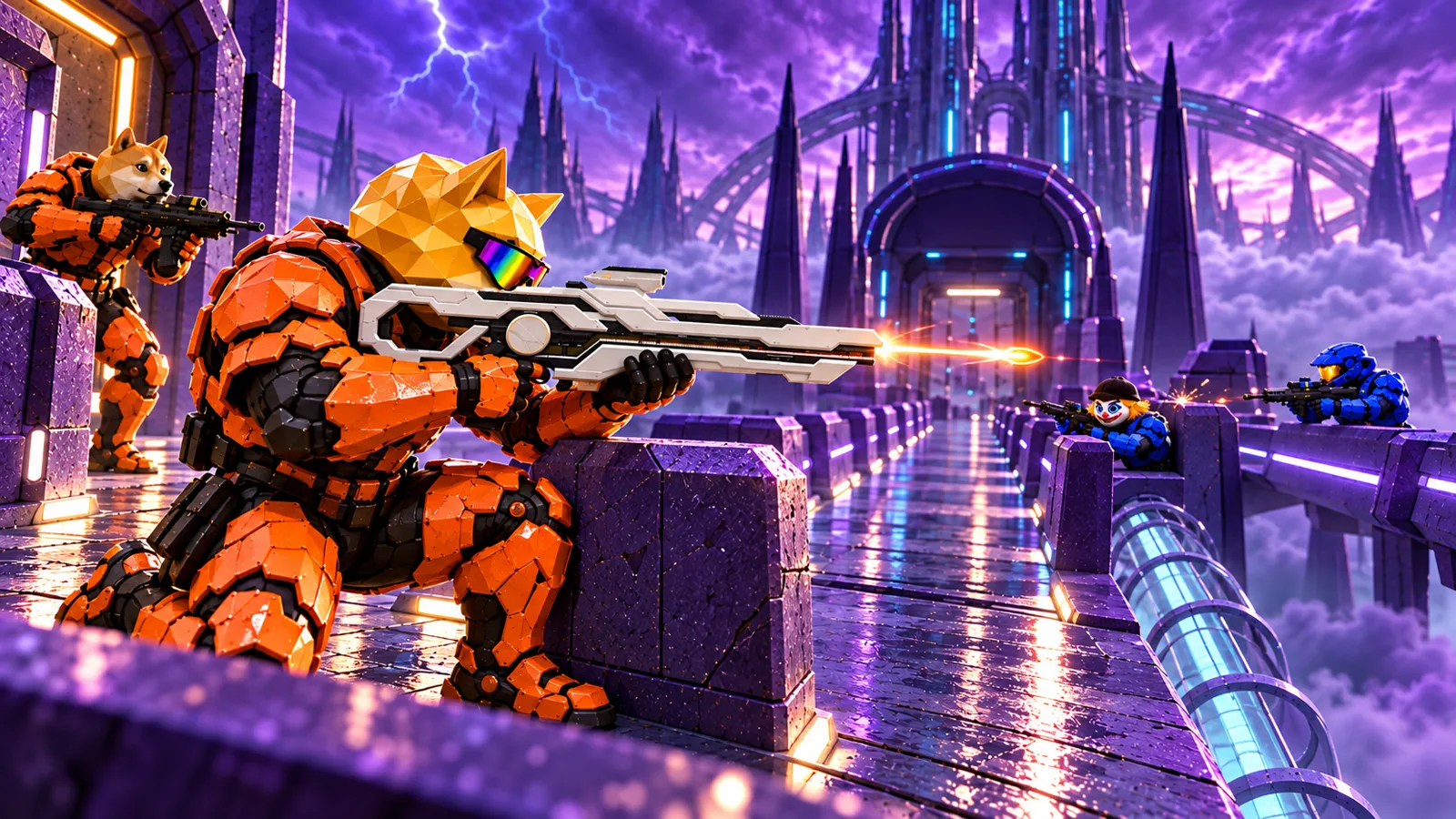 Spectra · Sunspan
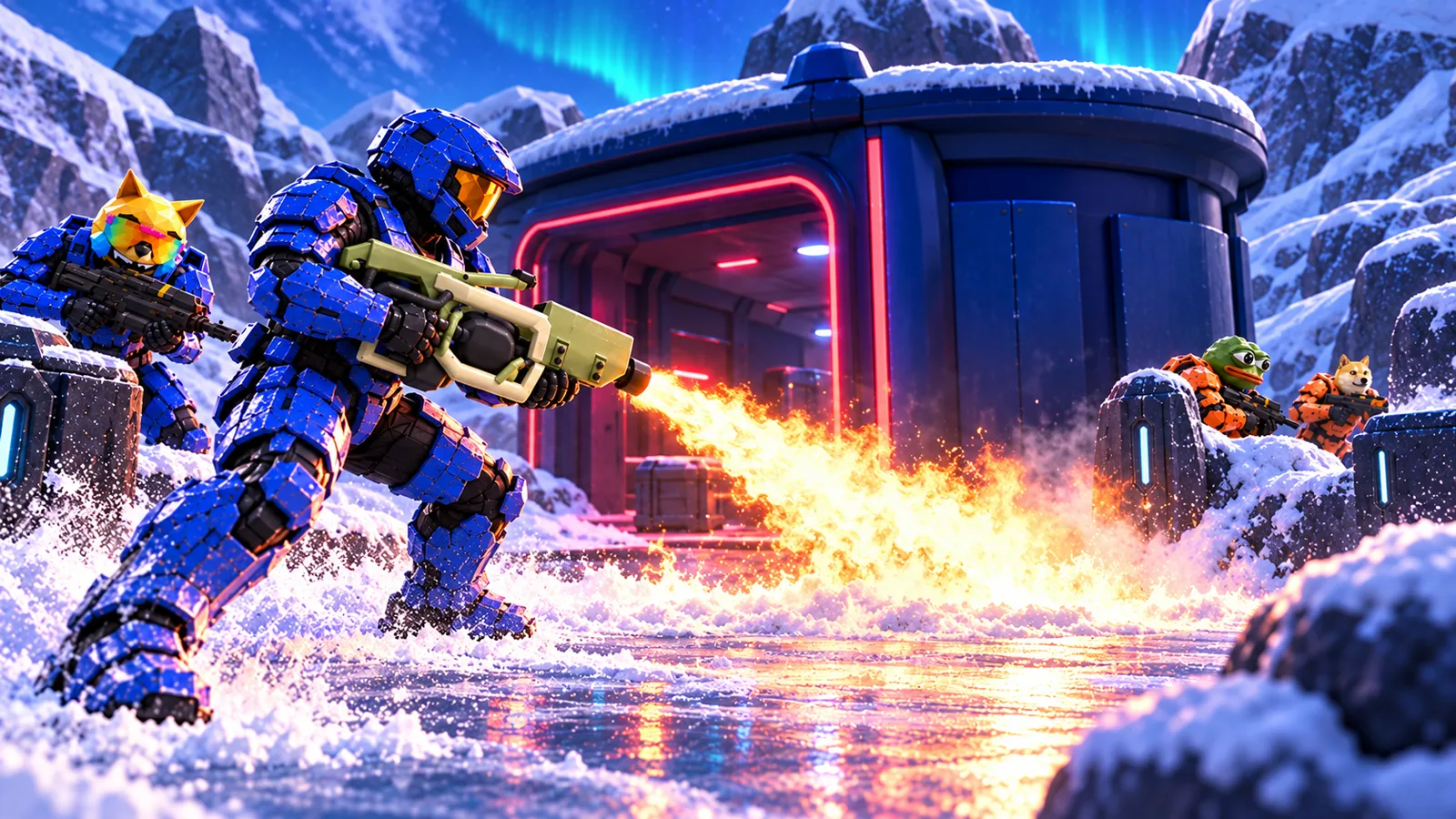 Inferno · Undersnow
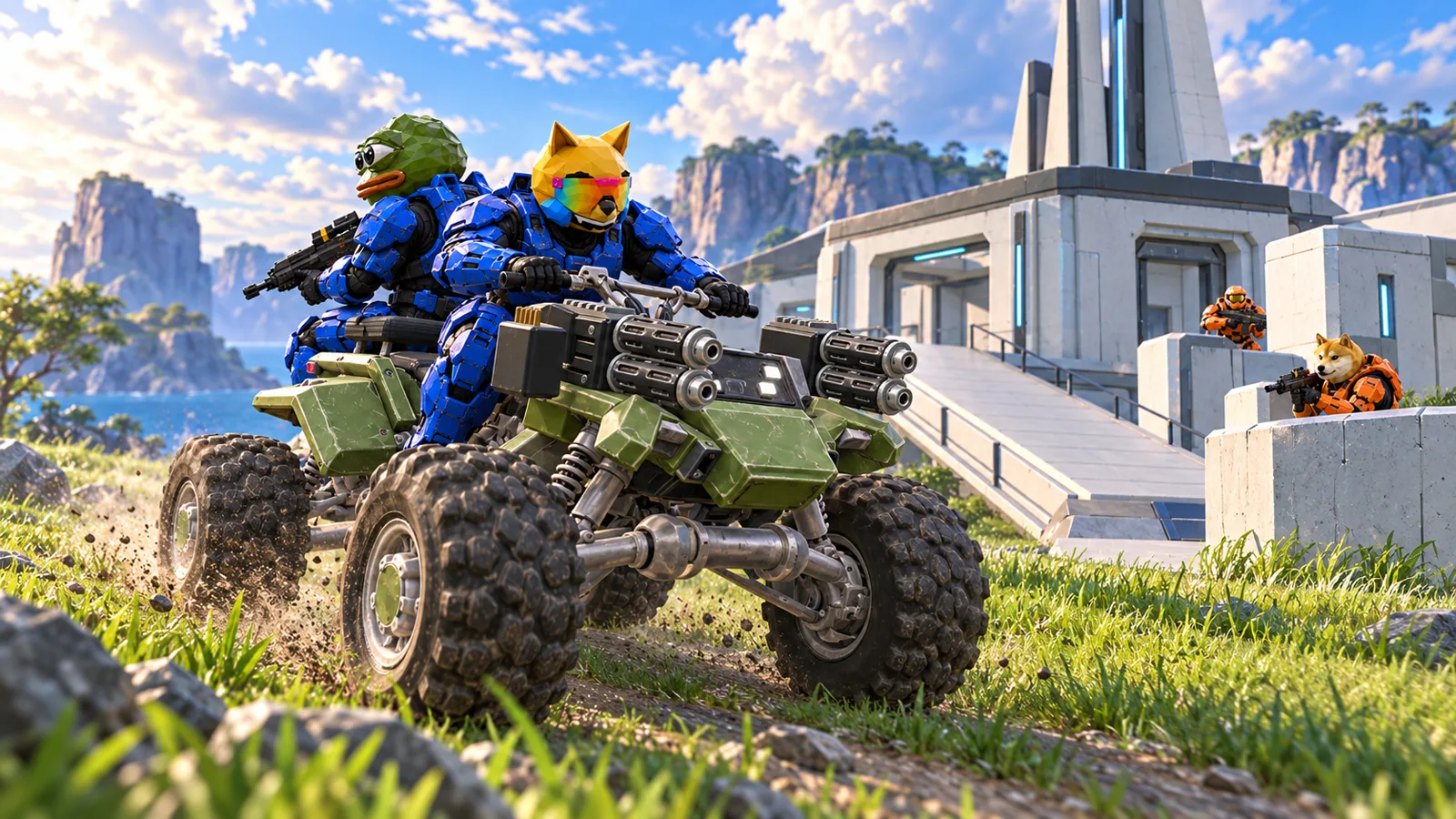 Quad Bike · Tidebreak
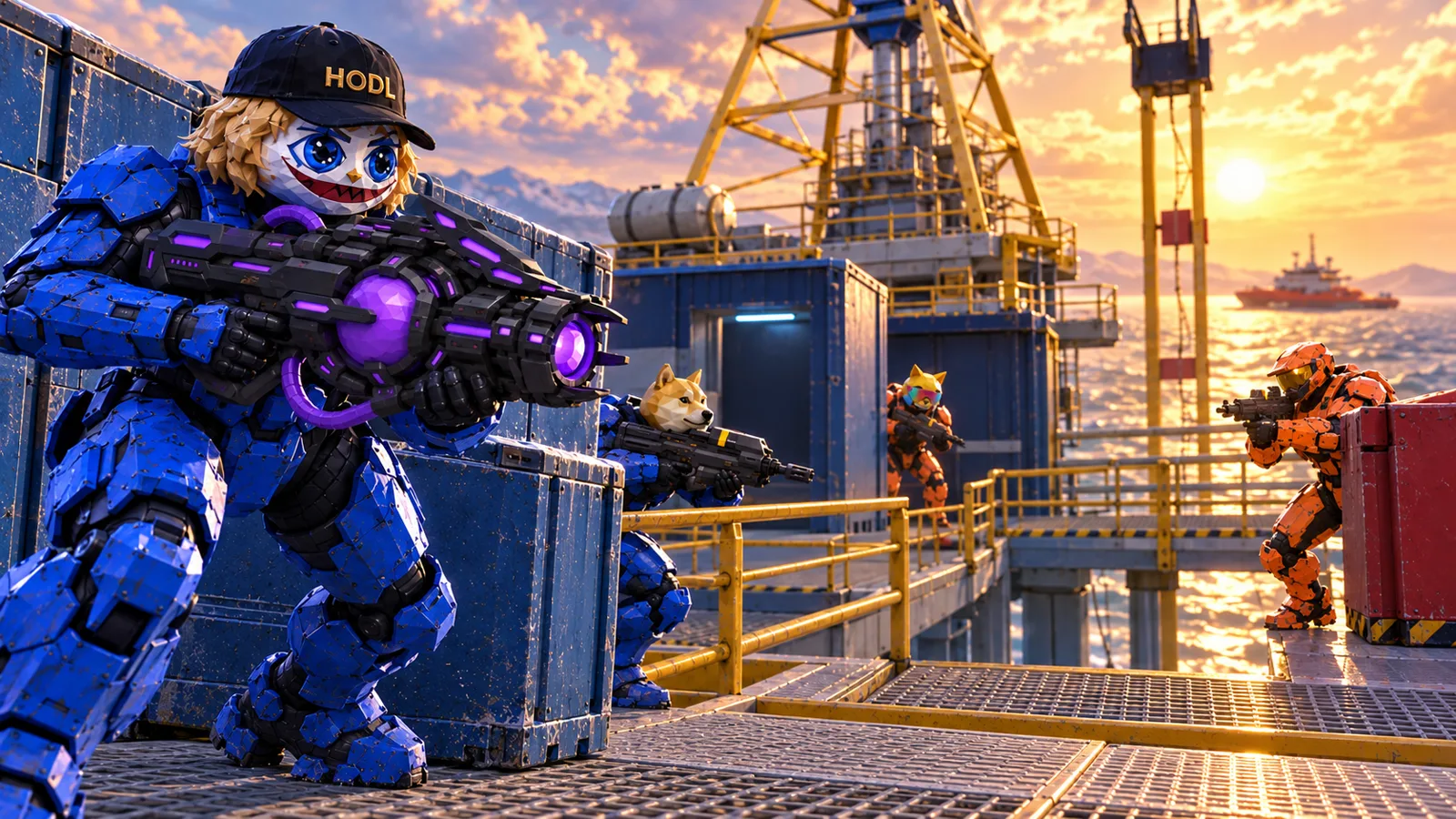 Gantry · Oil rig
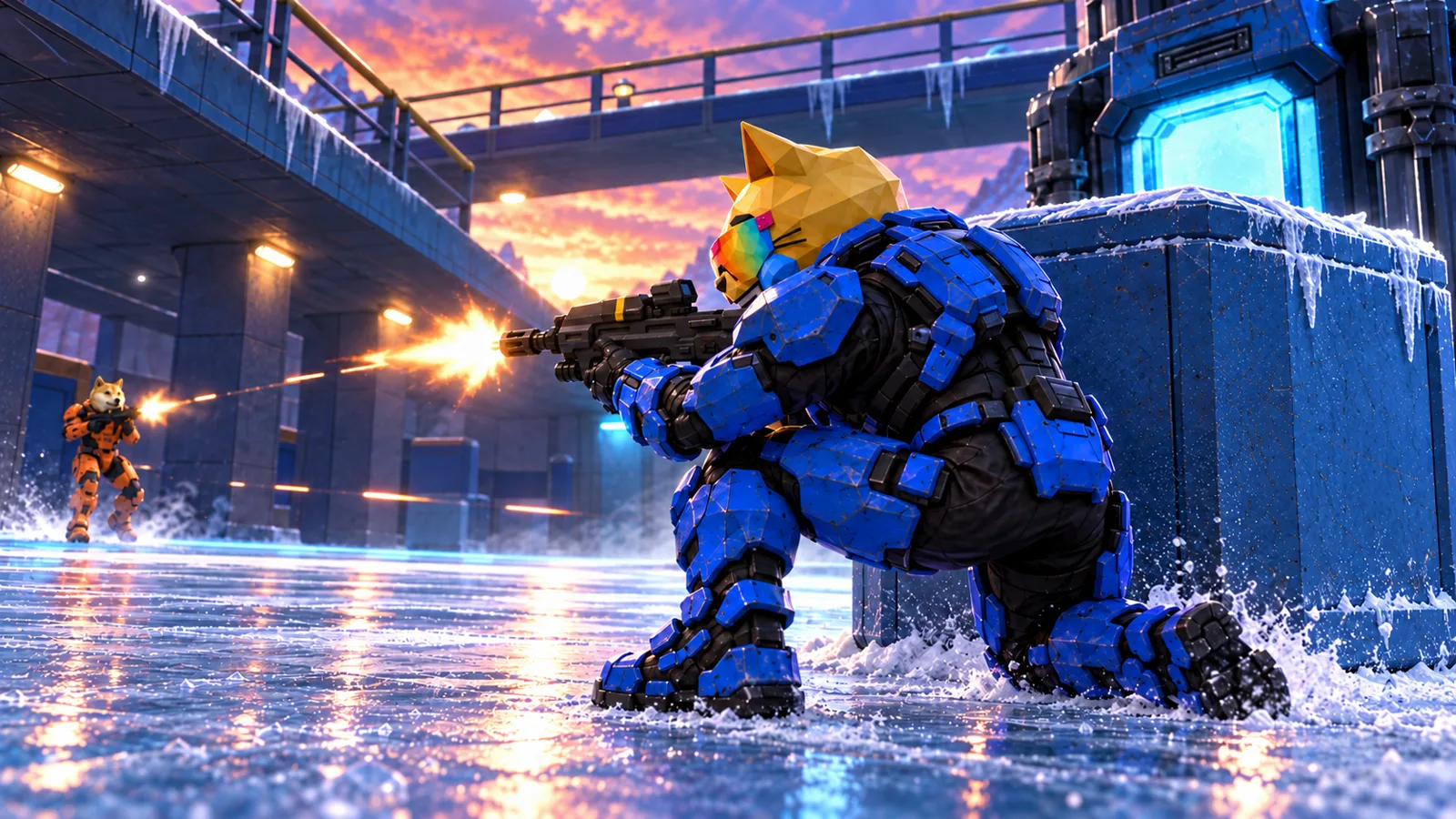 The Freezer · Cover fire
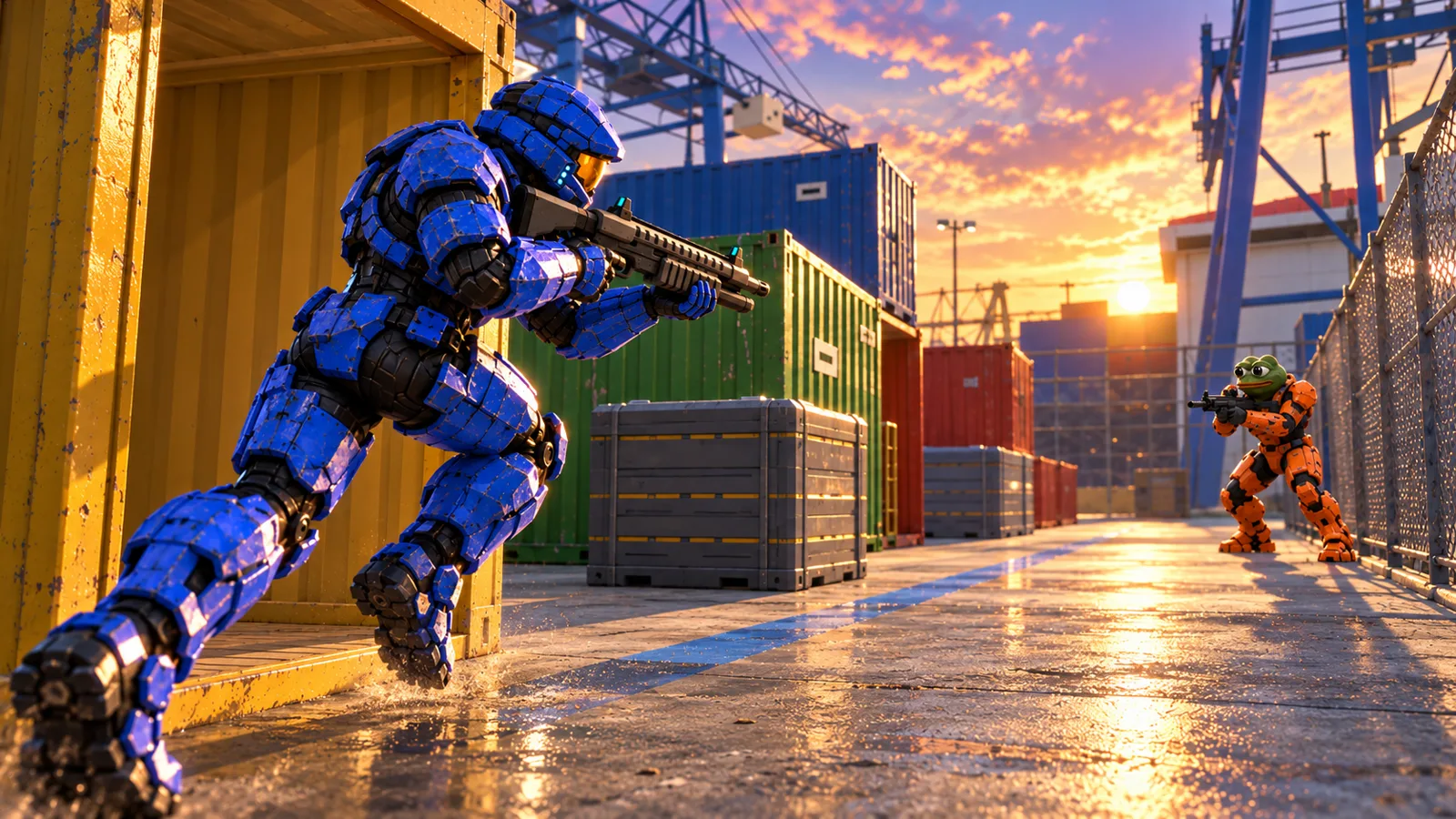 The Stacks · Advance
A 30-second cinematic of infantry and armour.
A 30-second cinematic of aircraft and vehicle combat.
Top Blasters is the flagship product of Liquid Labs: Games. The studio owns the technology underneath it: the Mayhem Engine and Turbine netcode. Both were built from scratch for this game and are designed to power the products that follow.
Engineering velocity, platform scale, a SWOT analysis and the competitive landscape, with every external figure sourced.